

Vital Debris
2025, solo exhibition
Porvoo Art Hall (FI)
Exhibition text: Pontus Purokuru
Artwork photos: Angel Gil
Installation photos: Anna Niskanen
2025, solo exhibition
Porvoo Art Hall (FI)
Exhibition text: Pontus Purokuru
Artwork photos: Angel Gil
Installation photos: Anna Niskanen






Exhibition text
(EN)
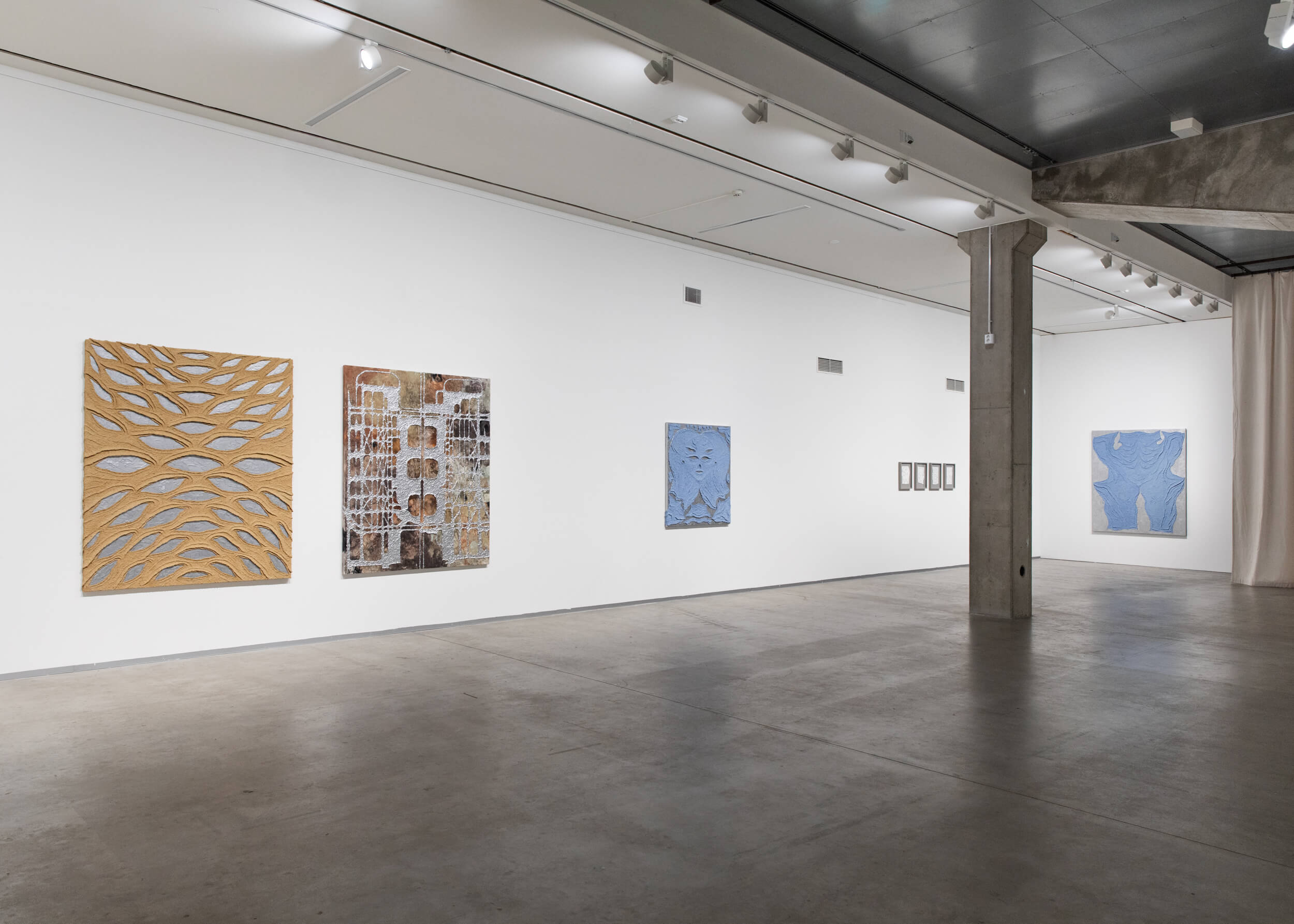
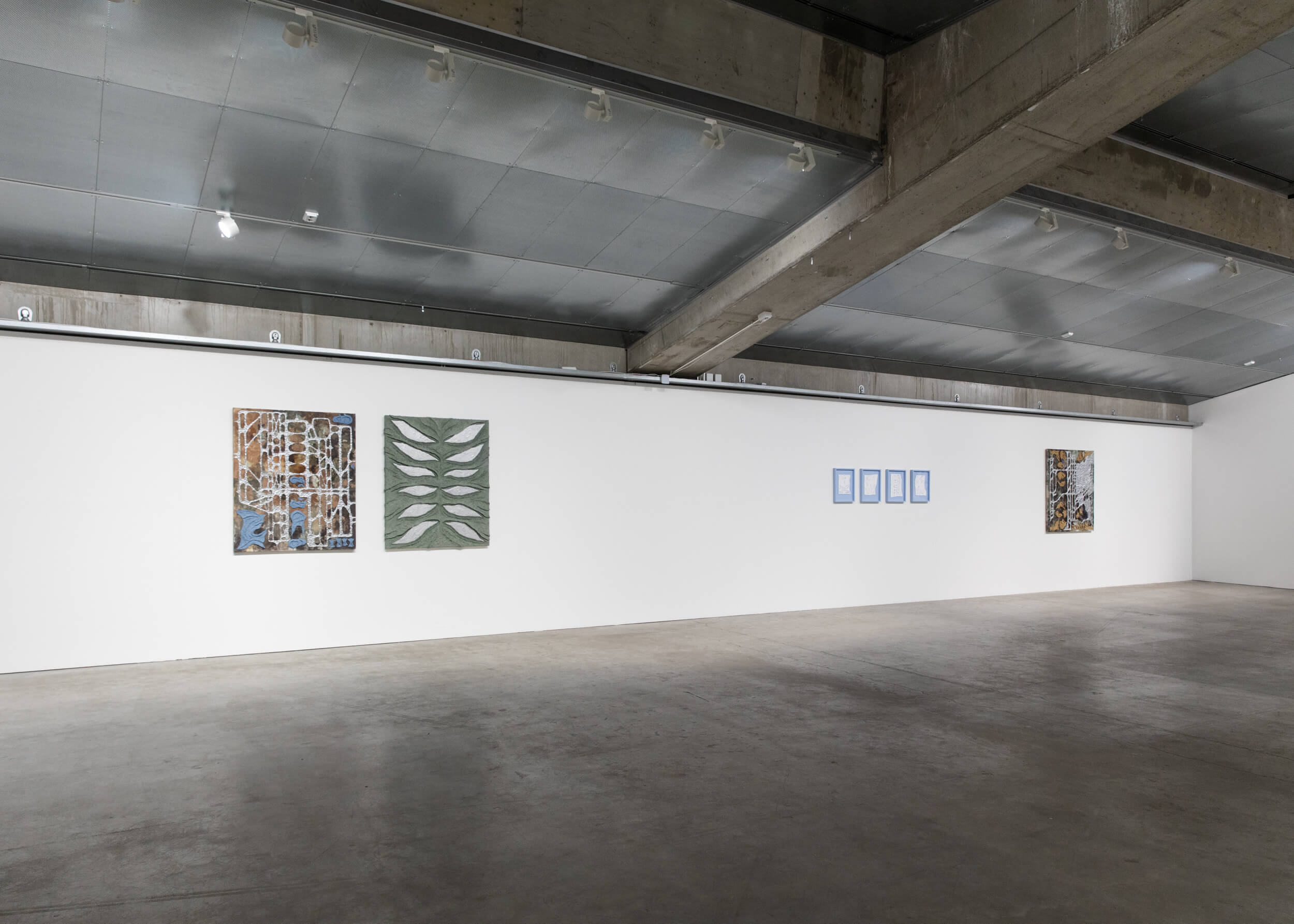
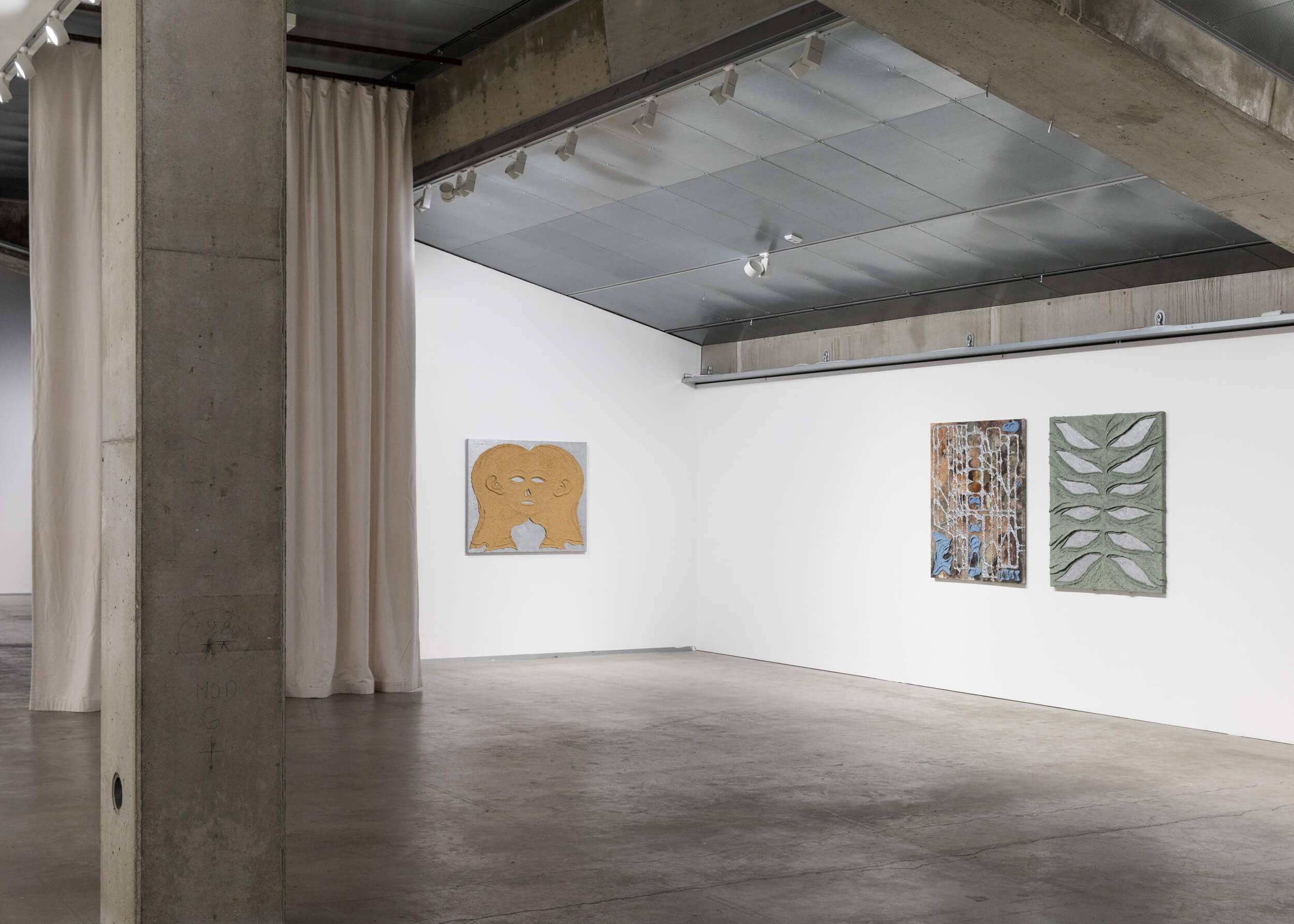
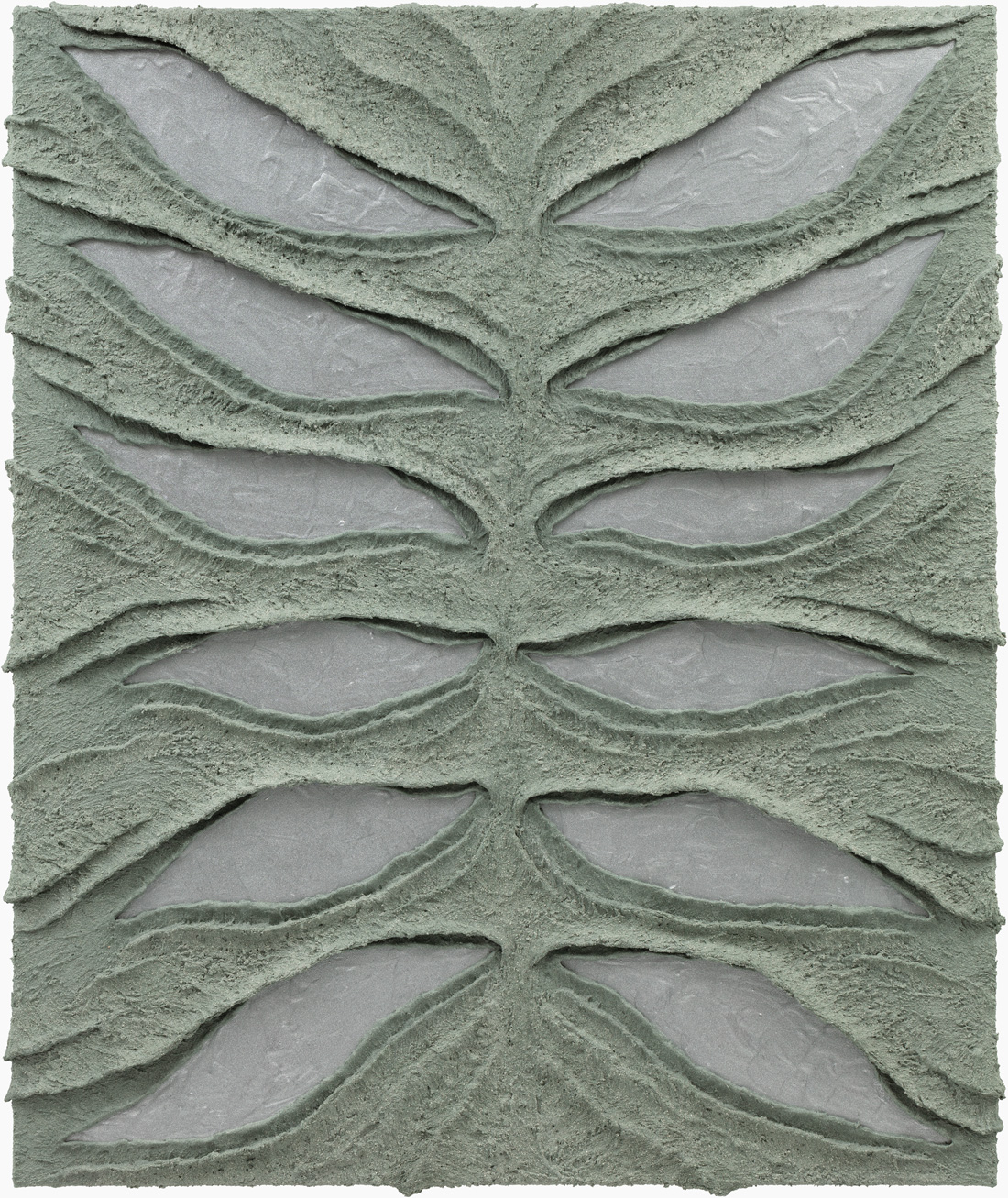
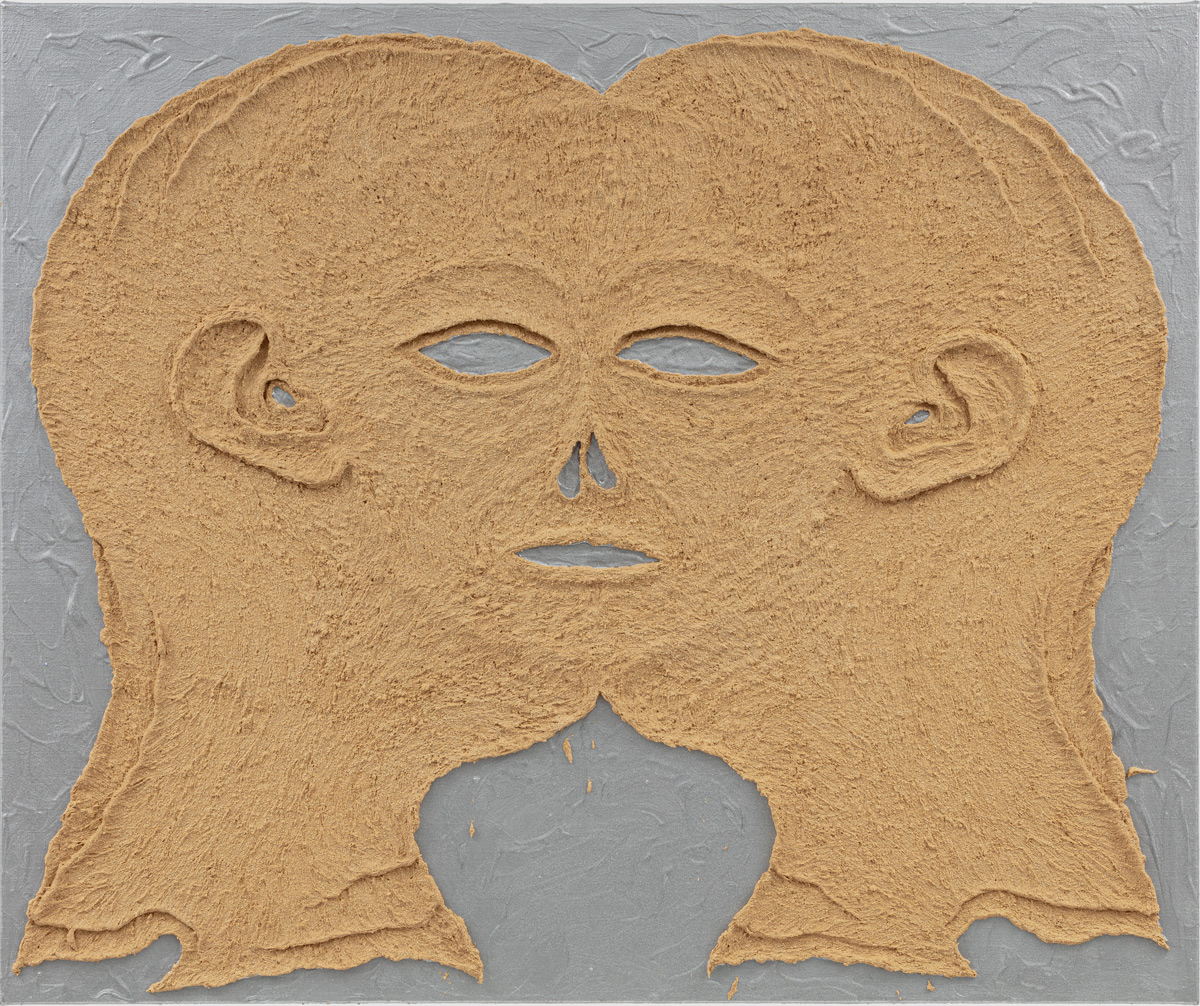
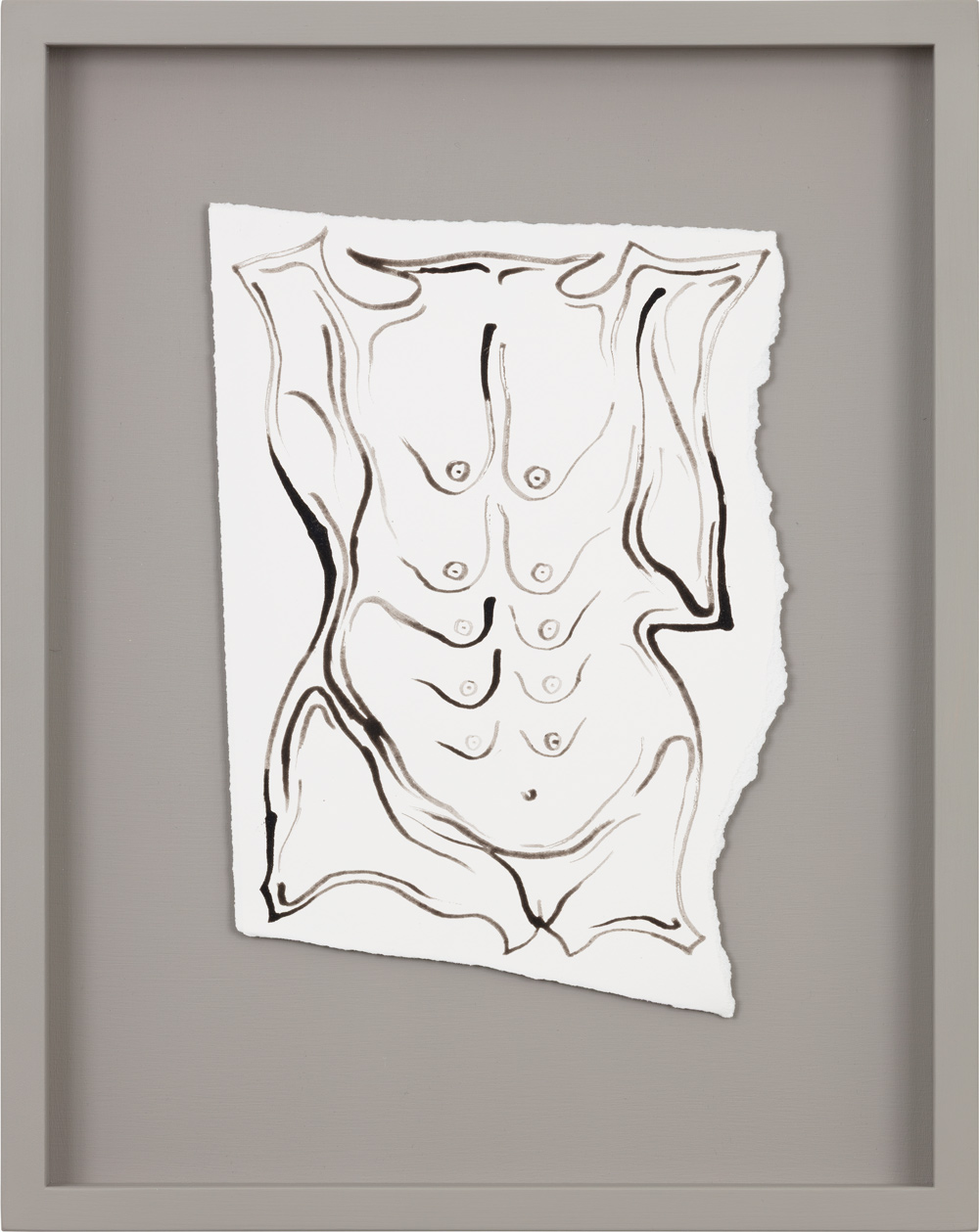
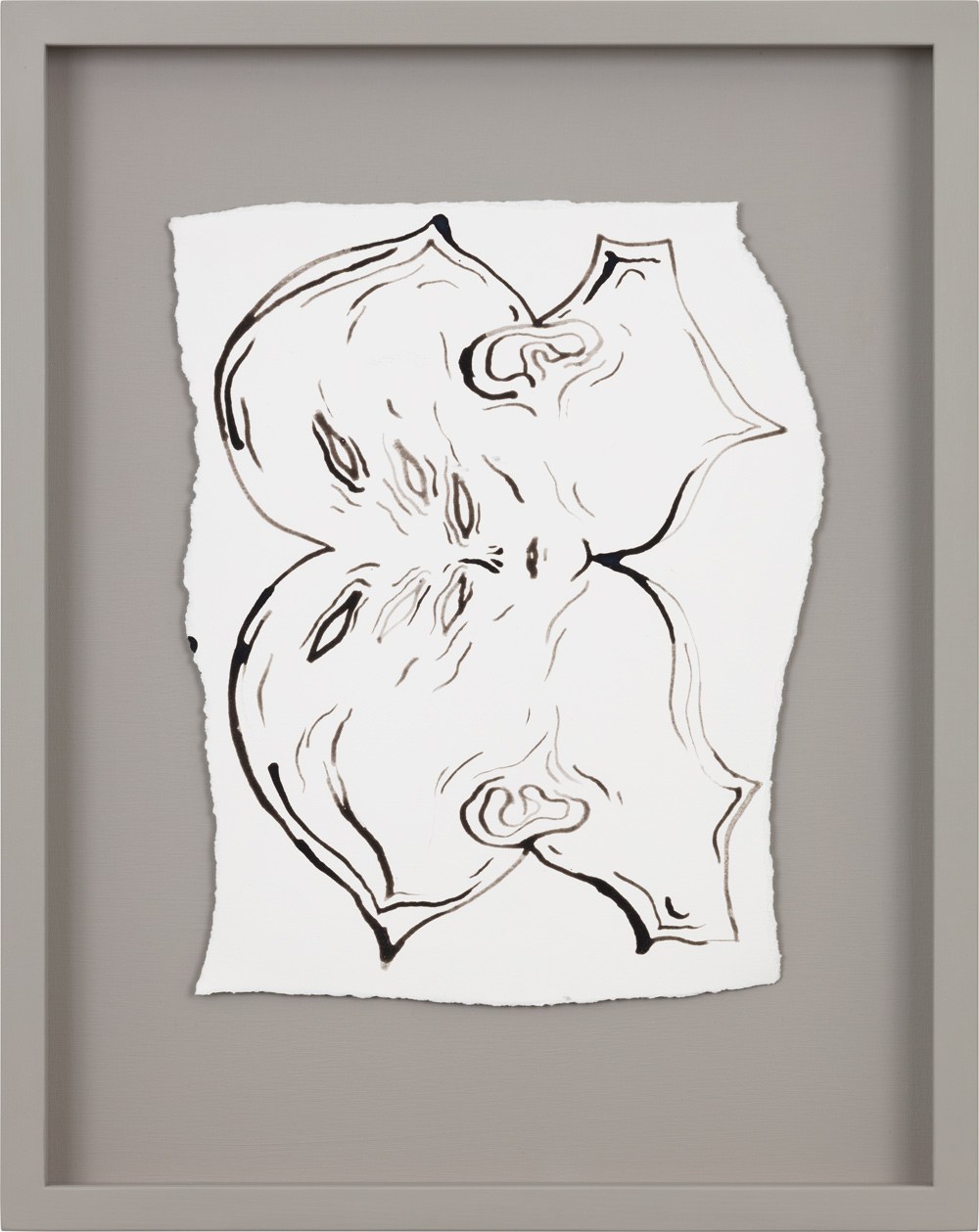
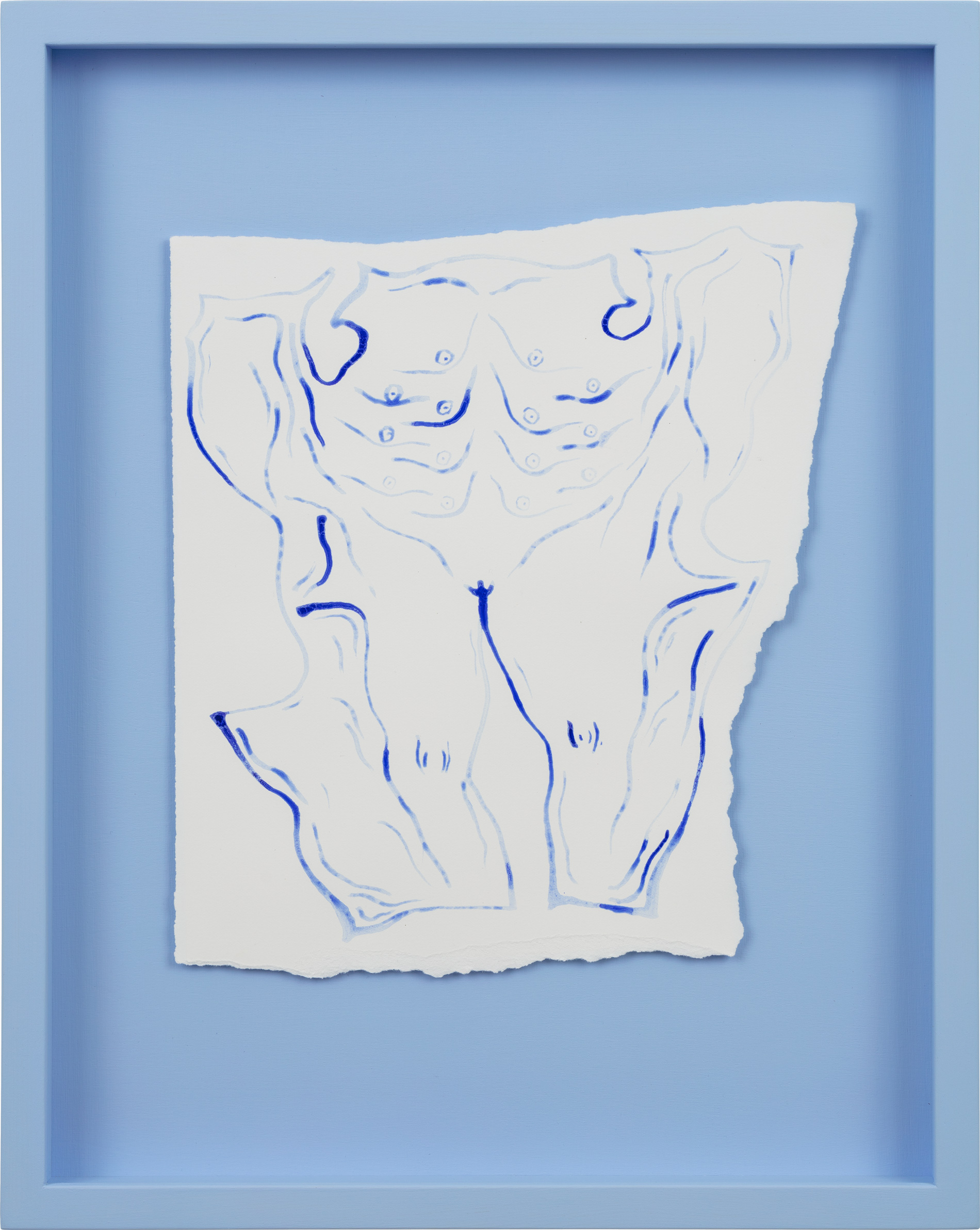
Taru Happonen paints like an archaeologist, examining satellite images, cells, motherboards, and skin surfaces from the perspective of another time. In the paintings, hardly anything human can be seen. She performs a dissection of an environment caught in a stage of slow collapse and mutation.
As one can read daily in the news, we are living in an age of planet-wide destruction. At the same time, however, new biological, geological, and synthetic species emerge: plastic-eating bacteria and new types of stone formed from the fossil industry waste. The living, the non-living, and the artificial blend into one another, this era merging with the one to come. The world changes regardless of human feelings, moving toward a time beyond human existence.
Sometimes change only becomes perceptible by shifting the scale of observation. This is the fundamental movement in the exhibition: zooming in and out of the human experience.
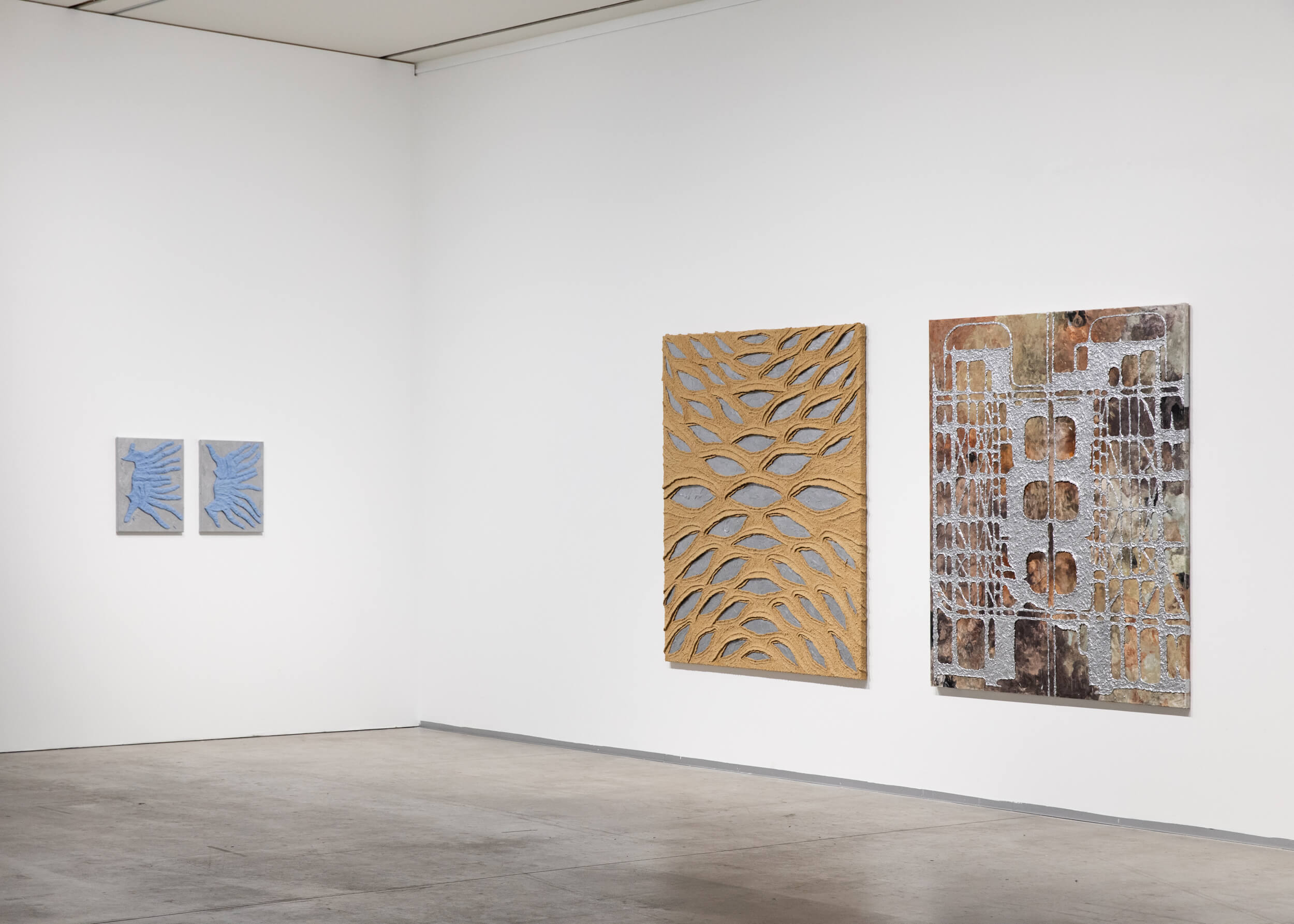
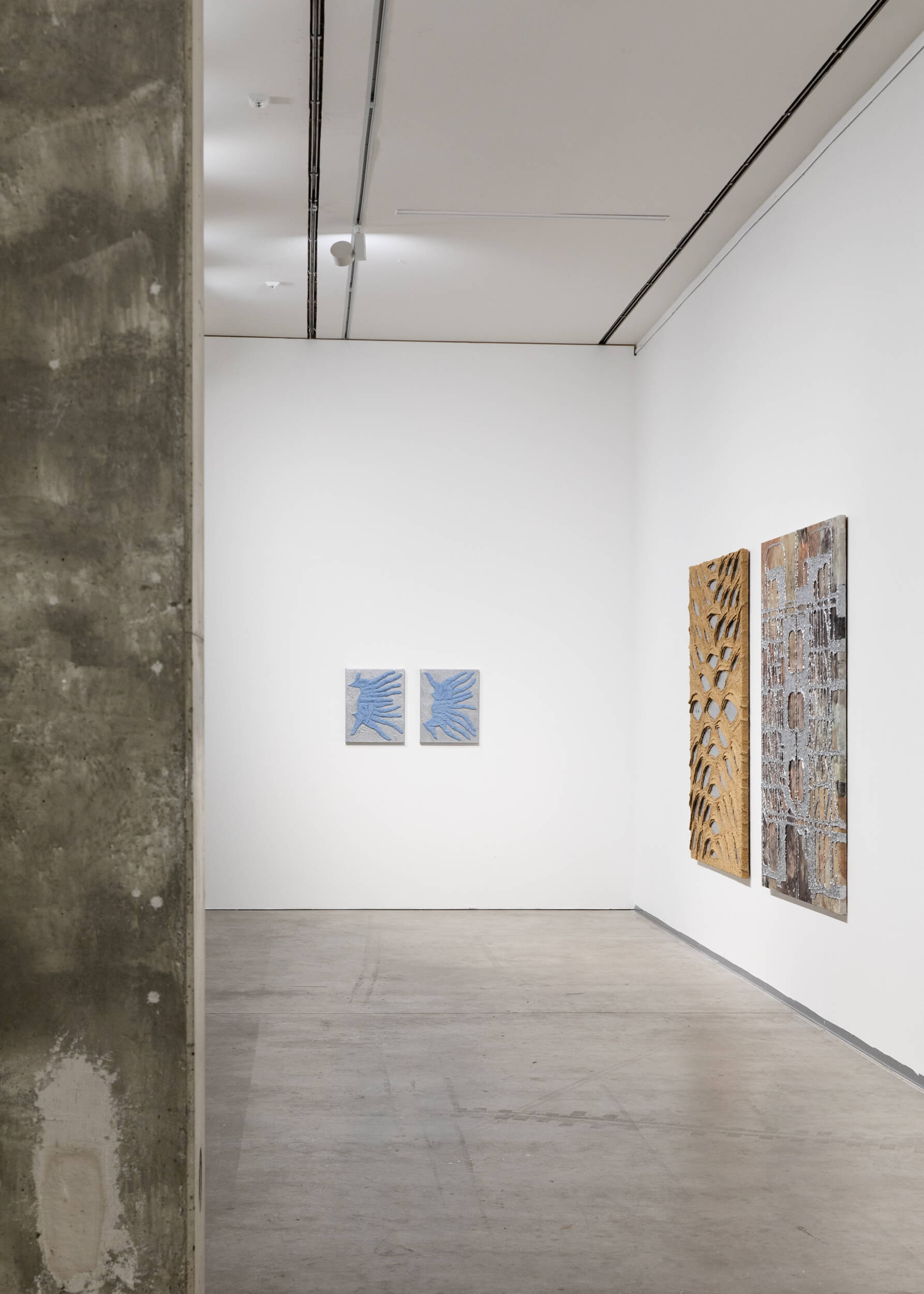
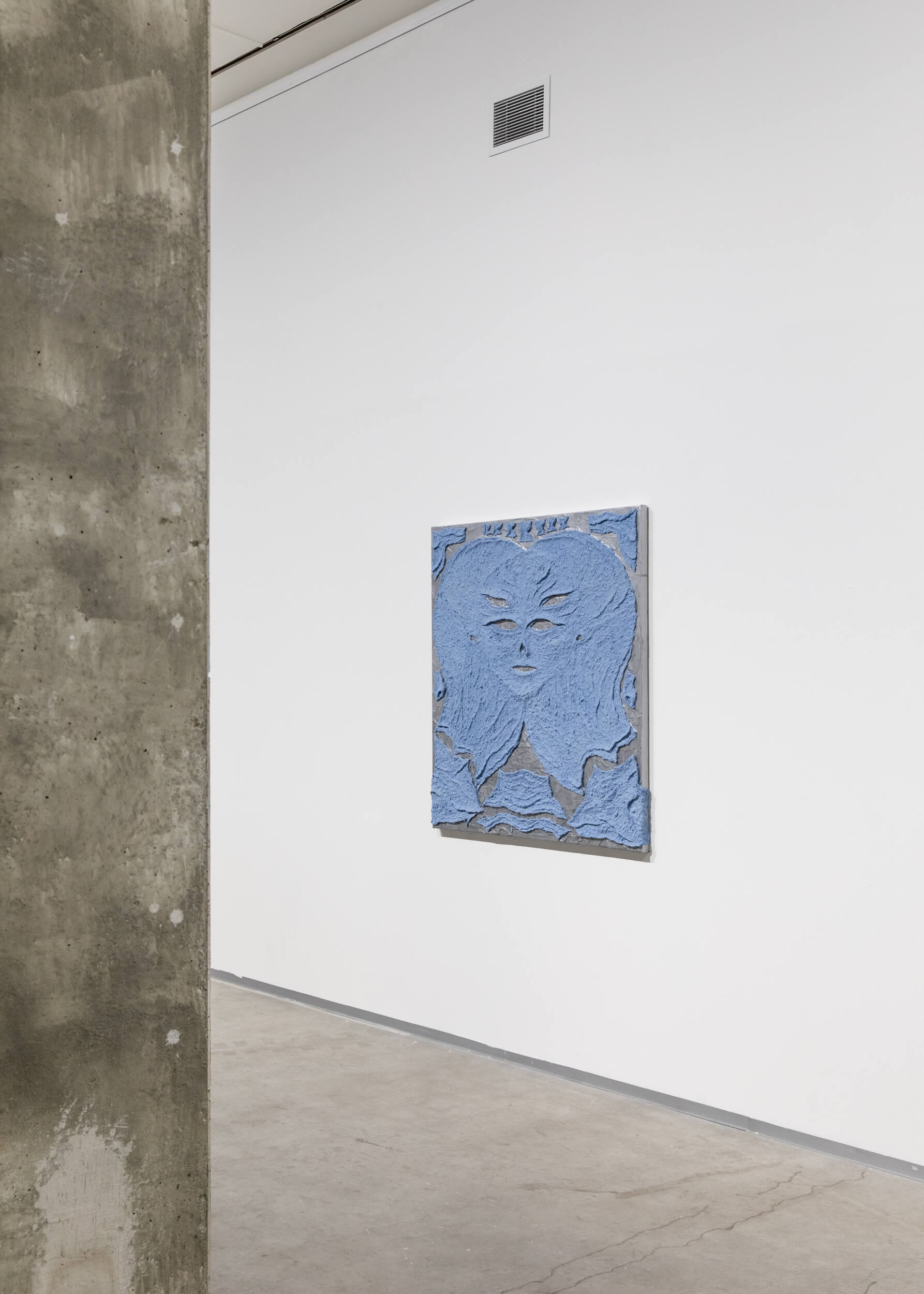
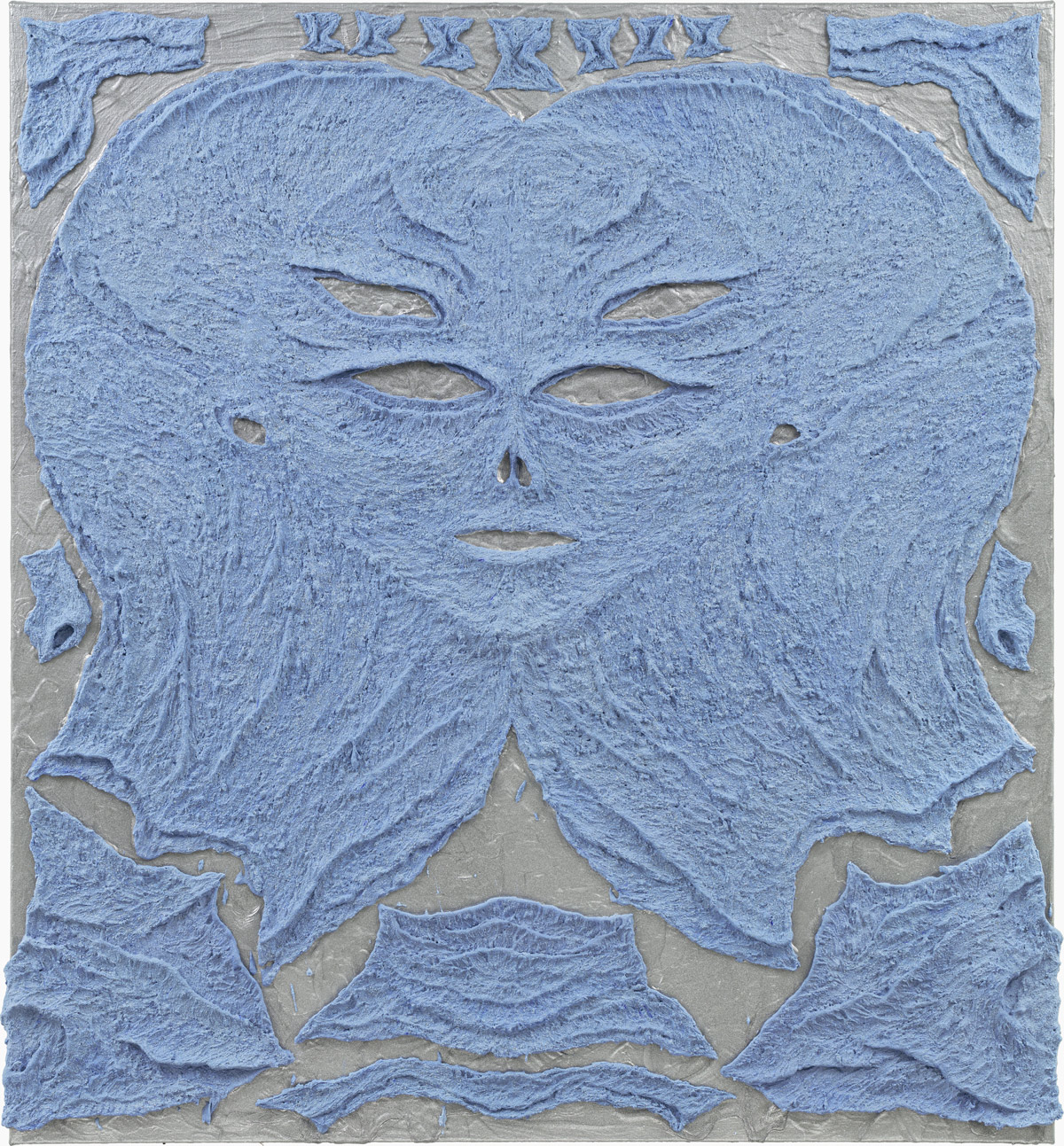
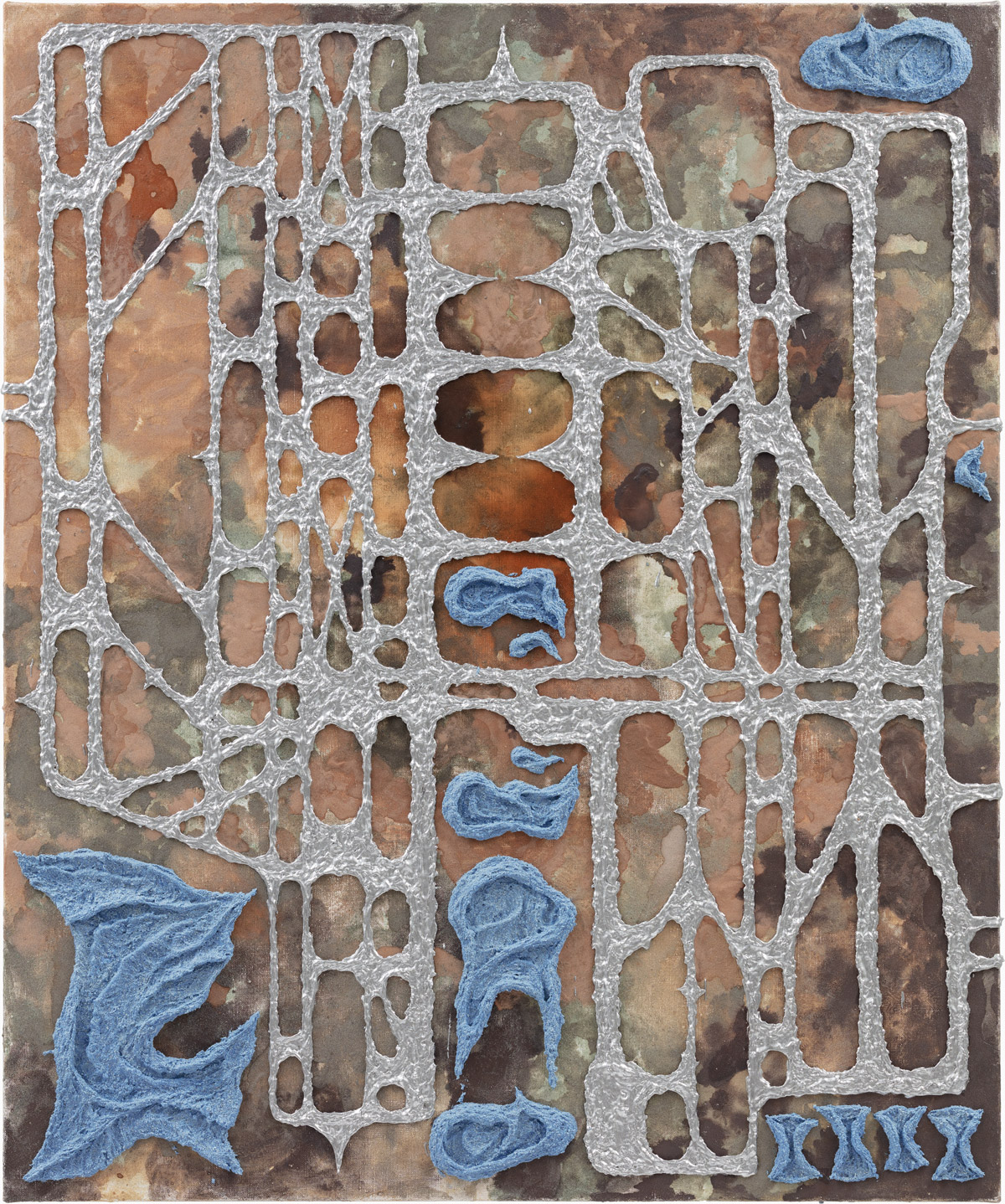
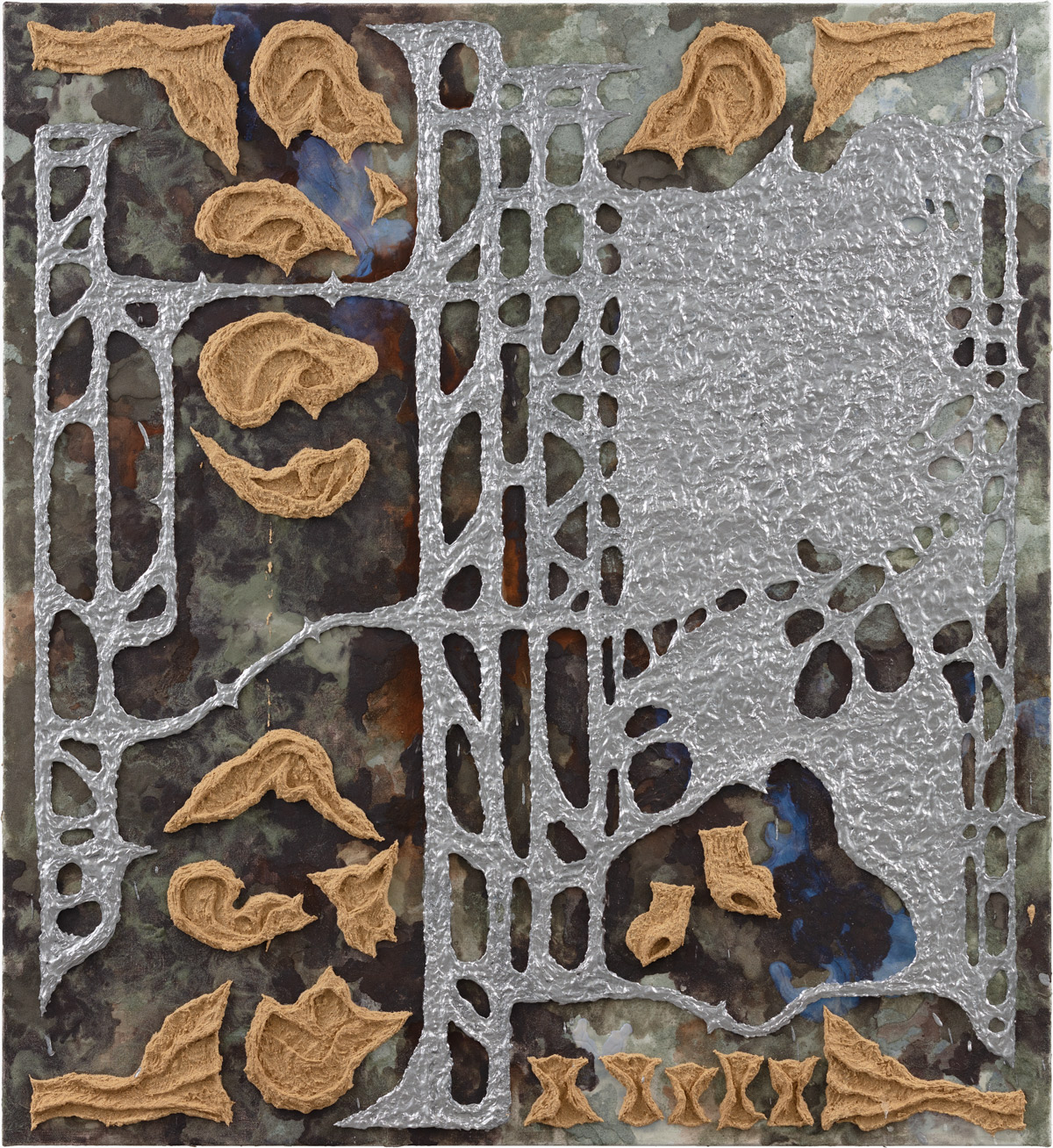
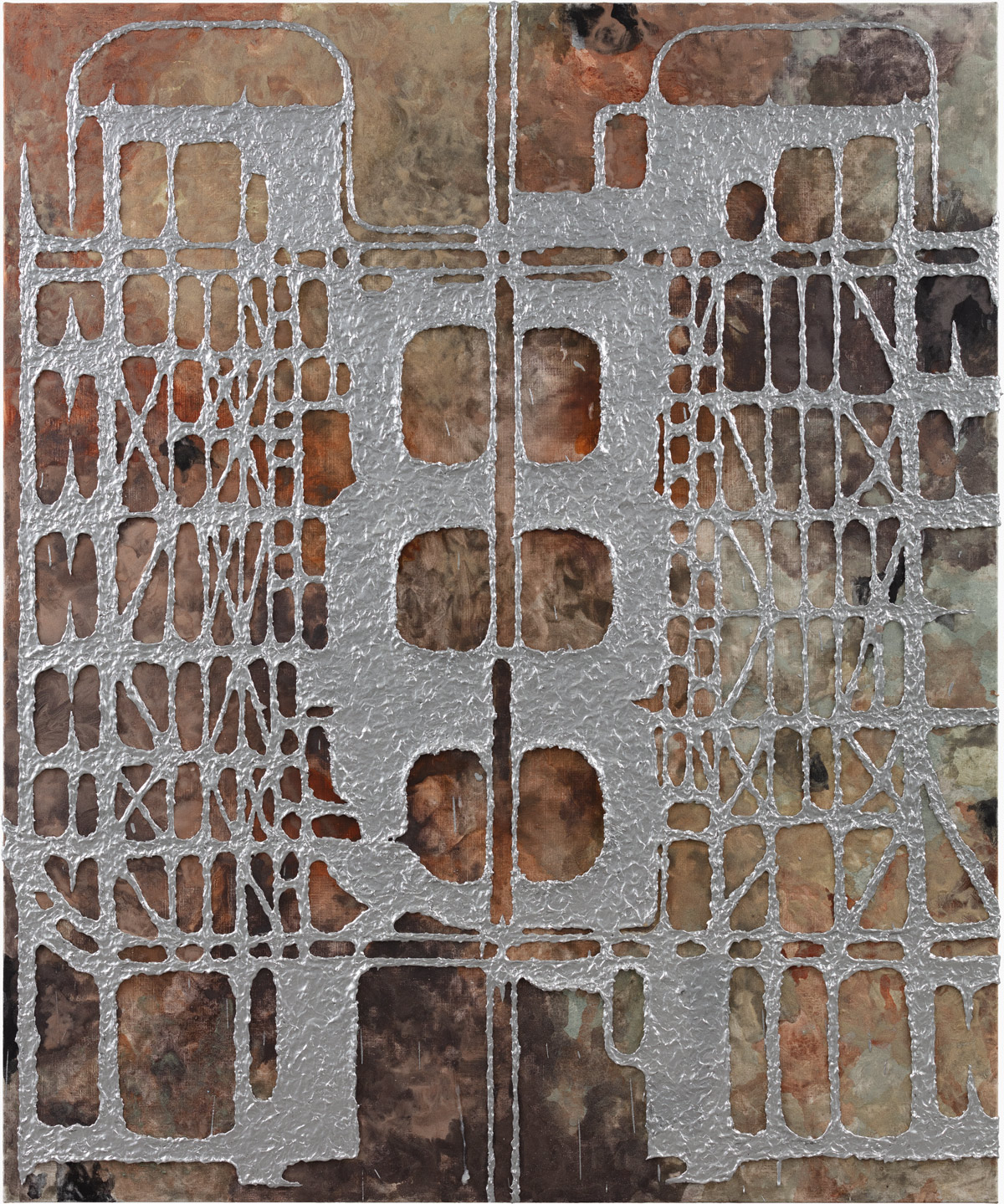
Hole- and eye-like forms recur in the works at different scales, as do circuit-like diagrams resembling circuit boards. Similar structures also repeat in nature across scales. Tree leaves contain “eyes” at the microscopic level, as do cells. Networks of neurons resemble the traces on a computer motherboard, and both resemble satellite images of airports and cities. These structures optimise the transmission of signals and energy efficiency. Nervous systems with their synapses, transistors with their logic gates, and cities with their street networks demonstrate how the regularities of physics scale across levels.
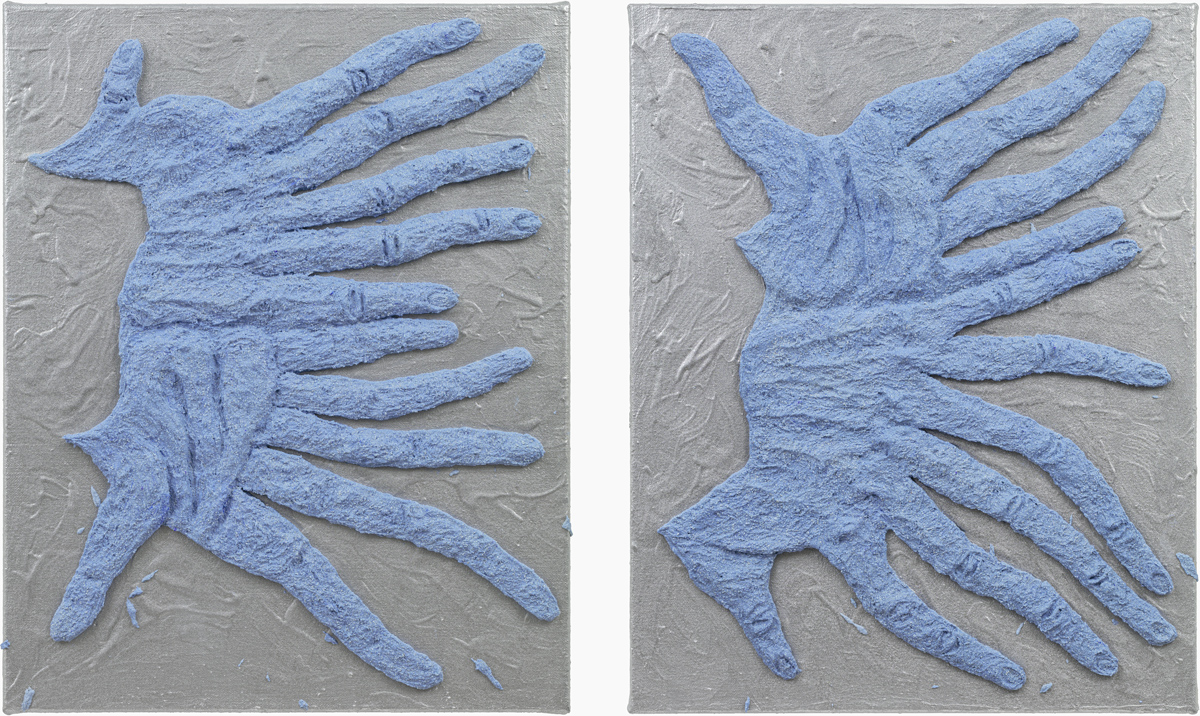
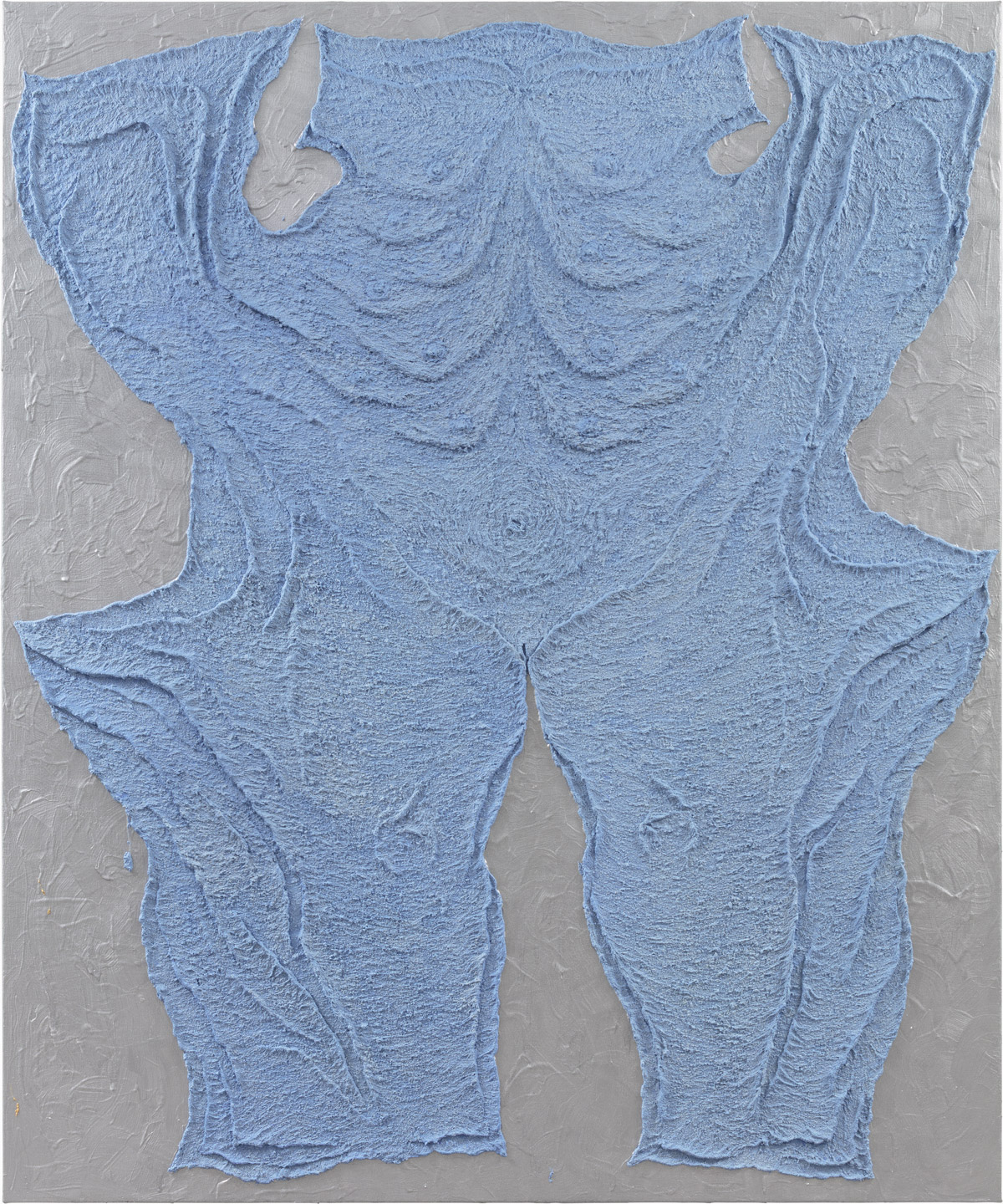
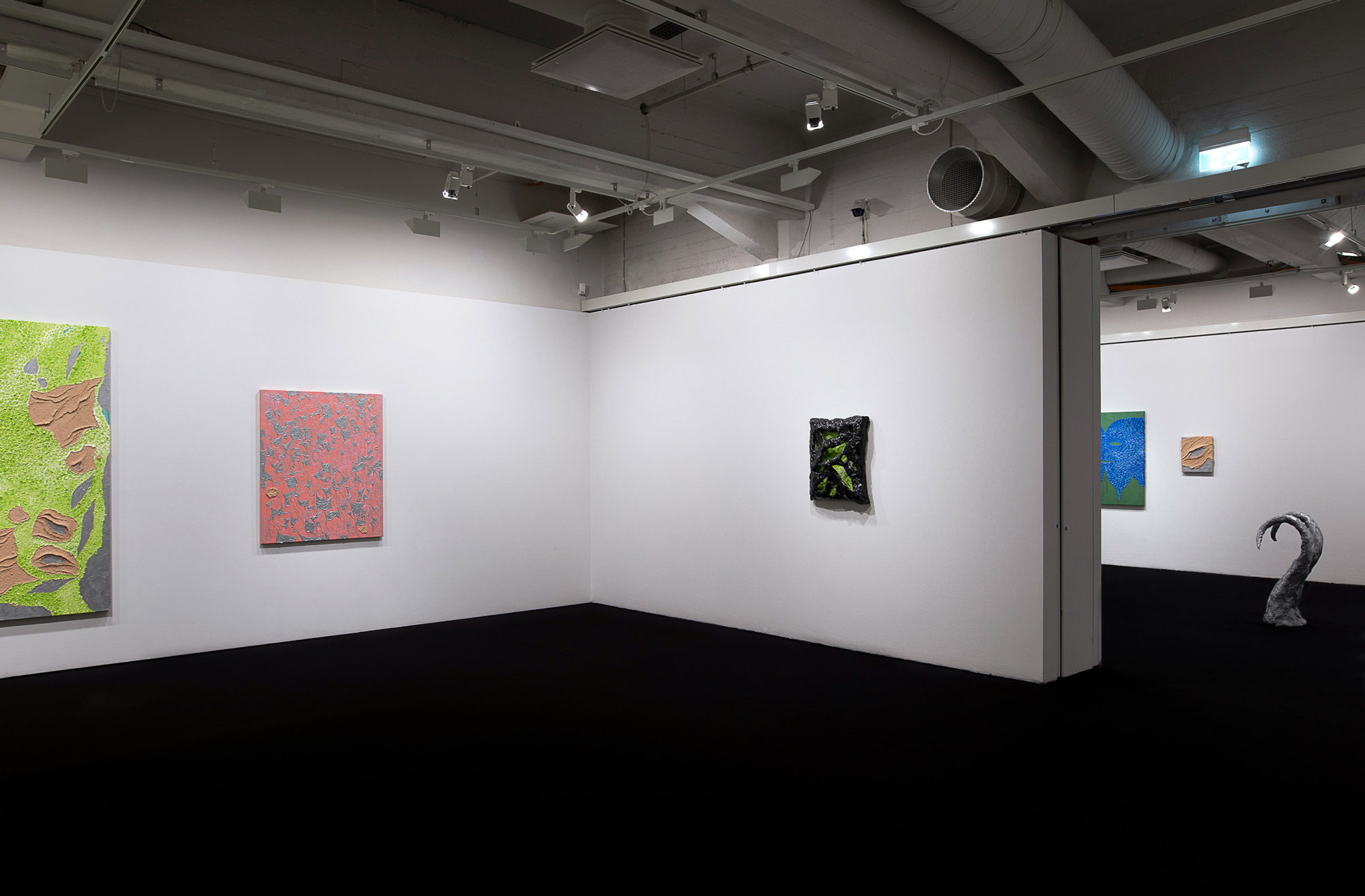
The works incorporate marble, stone, and aluminium powder, along with glue, paper, and wood. In the choice of materials, a similar kind of interweaving takes place as in the scales and temporal dimensions depicted in the works. Their colours and materials adapt to the concrete and aluminium of Porvoo Art Hall, just as a living species always adapts to its prevailing environment. The exhibition explores the layers of deep geological time and movements on scales beyond human experience, and as a whole it is at once tender and unsettling.
Reaching towards the sculptural, the paintings evoke the way two-dimensional surfaces become three-dimensional forms by being wrapped or folded. When the surface of the beings is peeled away and unfolded, as happens in several of Happonen’s works, one returns to the two-dimensional plane.
The end of painting on canvas has long been declared, and art education today emphasises expanded forms of visual art. Happonen demonstrates that painting executed on a rectangular canvas still holds power. Even if the works appear non-human, they remind us why humankind has gazed at painted surfaces for thousands of years: because for a moment they can transport us from the midst of the visible to where we cannot see.
Pontus Purokuru
(FI)
Taru Happonen maalaa kuin arkeologi, joka tutkii satelliittikuvia, soluja, emolevyjä ja ihon pintoja toisesta ajasta käsin. Maalauksissa ei näy juuri mitään inhimillistä. Happonen tekee ruumiinavausta ympäristölle, joka elää hitaan romahtamisen ja mutaation vaihetta.
Kuten uutisista voi päivittäin lukea, elämme planeetanlaajuisen tuhon aikakautta. Samalla kuitenkin syntyy uusia biologisia, geologisia ja synteettisiä lajeja: muovia syöviä bakteereita ja uusia kivilaatuja, joihin sulautuu fossiilitalouden jätteitä. Elävä, eloton ja keinotekoinen sekoittuvat, tämä aika sulautuu tulevaan. Maailma muuttuu ihmisen tunteista välittämättä, ihmislajin tuolle puolen.
Joskus muutos hahmottuu vain muuttamalla tarkastelun mittakaavaa. Tämä on näyttelyssä esiintyvä perusliike: zoomaaminen sisään ja ulos ihmiskokemuksesta.
Reikämäiset ja silmämäiset muodot toistuvat teoksissa erilaisissa kokosuhteissa, samoin virtapiirimäiset kytkentäkaaviot. Myös luonnossa toistuvat samankaltaiset rakenteet läpi mittakaavojen. Puiden lehdet sisältävät ”silmiä” mikroskooppisella tasolla, samoin solut. Neuronien verkosto muistuttaa tietokoneen emolevyn ratoja, ja molemmat muistuttavat satelliittikuvia lentokentistä ja kaupungeista. Rakenteet optimoivat signaalien siirtoa ja energiatehokkuutta. Hermostot synapseineen, transistorit logiikkaportteineen ja kaupungit katuverkostoineen osoittavat, miten fysiikan säännönmukaisuudet skaalautuvat.
Teoksissa on käytetty marmori-, kivi- ja alumiinijauhetta, liimaa, paperia ja puuta. Materiaalivalinnoissa tapahtuu samanlaista yhteenkietoutumista kuin teosten kuvaamissa mittakaavoissa ja ajan ulottuvuuksissa. Väri- ja materiaalimaailmoiltaan teokset sopeutuvat Porvoon Taidehallin betoniin ja alumiiniin, kuten elävä laji aina sopeutuu senhetkiseen ympäristöönsä. Näyttely käsittelee syvän geologisen ajan kerrostumia ja ihmiskokemukselle vieraiden kokoluokkien liikettä. Kokonaisuus on yhtä aikaa hellä ja häiritsevä.
Maalaukset kurottavat kohti veistoksellisuutta, niin kuin kaksiulotteisista pinnoista syntyy kolmiulotteisia olioita käärimällä ja taittamalla. Kun olioilta kuoritaan pinta ja se levitetään auki, kuten useammassa Happosen teoksessa tapahtuu, palataan kaksiulotteiselle tasolle.
Kankaalle tehtävien maalausten loppua on julistettu pitkään, ja taideopetuksessa painotetaan nykyään laajennettua kuvataidetta. Happonen osoittaa, että suorakaiteen muotoiselle kankaalle tehdyssä maalauksessa on voimaa. Vaikka teokset vaikuttavat ei-inhimillisiltä, ne muistuttavat siitä, miksi ihmislaji on tuhansia vuosia katsonut maalattua pintaa: koska se voi hetkellisesti siirtää meidät näkyvän keskeltä sinne, mihin emme näe.
Pontus Purokuru
(SE)
Taru Happonen målar som en arkeolog. Hon undersöker satellitbilder, celler, moderkort och hudens yta ur en annan tids perspektiv. I målningarna syns knappast något mänskligt. Hon utför en dissektion av en omgivning som befinner sig i ett skede av långsam kollaps och mutation.
Som man dagligen kan läsa i nyheterna, lever vi i en tid av planetomfattande förstörelse. Samtidigt uppstår nya biologiska, geologiska och syntetiska arter: plastätande bakterier och nya stentyper i vilka avfallsprodukter från fossilindustrin smälter in. Det levande, det livlösa och det konstgjorda blandas samman, denna tid flyter ihop med den kommande. Världen förändras utan hänsyn till människans känslor, till tiden efter människan(s existens).
Ibland blir förändringen synlig först när man ändrar på betraktandets skala. Detta är grundrörelsen som förekommer i utställningen: att zooma in och ut ur människans erfarenhet.
Hålformade och ögonliknande former återkommer i verken i olika skalor, likaså kretskortsliknande kopplingsscheman. Även i naturen upprepas liknande strukturer genom olika skalnivåer. Trädens blad innehåller ”ögon” på mikroskopisk nivå, likaså cellerna. Neuronernas nätverk påminner om moderkortets ledningsbanor, och båda påminner i sin tur om satellitbilder av flygplatser och städer. Strukturerna optimerar överföringen av signaler och energieffektivitet. Nervsystemen med sina synapser, transistorerna med sina logikportar och städerna med sina gatunät visar hur fysikens lagbundenheter skalar upp.
I verken har använts marmor-, sten- och aluminiumpulver, samt lim, papper och trä. I materialvalen sker en liknande sammanflätning som i de skalor och tidsdimensioner som verken skildrar. Färgerna och materialen som används i verken passar in med Borgå Konsthalls betong och aluminium, såsom en levande art alltid anpassar sig till sin rådande omgivning. Utställningen behandlar de djupa geologiska tidernas lager och rörelser i skalor som är främmande för människans erfarenhet. Helheten är på samma gång öm och störande.
Målningarna sträcker sig mot det skulpturala, som när tvådimensionella ytor blir till tredimensionella gestalter genom att rullas eller vikas. När ytan på gestalterna skalas av och vecklas ut, vilket sker i flera av Happonens verk, återvänder man till den tvådimensionella nivån.
Målning på duk har länge förklarats höra till det förflutna, och konstundervisningen betonar numera de utvidgade konstformerna. Happonen visar att måleri utförd på rektangulär duk har kraft. Även om verken verkar icke-mänskliga, påminner de oss om varför människan i tusentals år har betraktat den målade ytan: för att den för ett ögonblick kan förflytta oss från det synligas mitt till det som vi inte kan se.
Pontus Purokuru
(EN)
Taru Happonen paints like an archaeologist, examining satellite images, cells, motherboards, and skin surfaces from the perspective of another time. In the paintings, hardly anything human can be seen. She performs a dissection of an environment caught in a stage of slow collapse and mutation.
As one can read daily in the news, we are living in an age of planet-wide destruction. At the same time, however, new biological, geological, and synthetic species emerge: plastic-eating bacteria and new types of stone formed from the fossil industry waste. The living, the non-living, and the artificial blend into one another, this era merging with the one to come. The world changes regardless of human feelings, moving toward a time beyond human existence.
Sometimes change only becomes perceptible by shifting the scale of observation. This is the fundamental movement in the exhibition: zooming in and out of the human experience.
Hole- and eye-like forms recur in the works at different scales, as do circuit-like diagrams resembling circuit boards. Similar structures also repeat in nature across scales. Tree leaves contain “eyes” at the microscopic level, as do cells. Networks of neurons resemble the traces on a computer motherboard, and both resemble satellite images of airports and cities. These structures optimise the transmission of signals and energy efficiency. Nervous systems with their synapses, transistors with their logic gates, and cities with their street networks demonstrate how the regularities of physics scale across levels.
The works incorporate marble, stone, and aluminium powder, along with glue, paper, and wood. In the choice of materials, a similar kind of interweaving takes place as in the scales and temporal dimensions depicted in the works. Their colours and materials adapt to the concrete and aluminium of Porvoo Art Hall, just as a living species always adapts to its prevailing environment. The exhibition explores the layers of deep geological time and movements on scales beyond human experience, and as a whole it is at once tender and unsettling.
Reaching towards the sculptural, the paintings evoke the way two-dimensional surfaces become three-dimensional forms by being wrapped or folded. When the surface of the beings is peeled away and unfolded, as happens in several of Happonen’s works, one returns to the two-dimensional plane.
The end of painting on canvas has long been declared, and art education today emphasises expanded forms of visual art. Happonen demonstrates that painting executed on a rectangular canvas still holds power. Even if the works appear non-human, they remind us why humankind has gazed at painted surfaces for thousands of years: because for a moment they can transport us from the midst of the visible to where we cannot see.
Pontus Purokuru
(FI)
Taru Happonen maalaa kuin arkeologi, joka tutkii satelliittikuvia, soluja, emolevyjä ja ihon pintoja toisesta ajasta käsin. Maalauksissa ei näy juuri mitään inhimillistä. Happonen tekee ruumiinavausta ympäristölle, joka elää hitaan romahtamisen ja mutaation vaihetta.
Kuten uutisista voi päivittäin lukea, elämme planeetanlaajuisen tuhon aikakautta. Samalla kuitenkin syntyy uusia biologisia, geologisia ja synteettisiä lajeja: muovia syöviä bakteereita ja uusia kivilaatuja, joihin sulautuu fossiilitalouden jätteitä. Elävä, eloton ja keinotekoinen sekoittuvat, tämä aika sulautuu tulevaan. Maailma muuttuu ihmisen tunteista välittämättä, ihmislajin tuolle puolen.
Joskus muutos hahmottuu vain muuttamalla tarkastelun mittakaavaa. Tämä on näyttelyssä esiintyvä perusliike: zoomaaminen sisään ja ulos ihmiskokemuksesta.
Reikämäiset ja silmämäiset muodot toistuvat teoksissa erilaisissa kokosuhteissa, samoin virtapiirimäiset kytkentäkaaviot. Myös luonnossa toistuvat samankaltaiset rakenteet läpi mittakaavojen. Puiden lehdet sisältävät ”silmiä” mikroskooppisella tasolla, samoin solut. Neuronien verkosto muistuttaa tietokoneen emolevyn ratoja, ja molemmat muistuttavat satelliittikuvia lentokentistä ja kaupungeista. Rakenteet optimoivat signaalien siirtoa ja energiatehokkuutta. Hermostot synapseineen, transistorit logiikkaportteineen ja kaupungit katuverkostoineen osoittavat, miten fysiikan säännönmukaisuudet skaalautuvat.
Teoksissa on käytetty marmori-, kivi- ja alumiinijauhetta, liimaa, paperia ja puuta. Materiaalivalinnoissa tapahtuu samanlaista yhteenkietoutumista kuin teosten kuvaamissa mittakaavoissa ja ajan ulottuvuuksissa. Väri- ja materiaalimaailmoiltaan teokset sopeutuvat Porvoon Taidehallin betoniin ja alumiiniin, kuten elävä laji aina sopeutuu senhetkiseen ympäristöönsä. Näyttely käsittelee syvän geologisen ajan kerrostumia ja ihmiskokemukselle vieraiden kokoluokkien liikettä. Kokonaisuus on yhtä aikaa hellä ja häiritsevä.
Maalaukset kurottavat kohti veistoksellisuutta, niin kuin kaksiulotteisista pinnoista syntyy kolmiulotteisia olioita käärimällä ja taittamalla. Kun olioilta kuoritaan pinta ja se levitetään auki, kuten useammassa Happosen teoksessa tapahtuu, palataan kaksiulotteiselle tasolle.
Kankaalle tehtävien maalausten loppua on julistettu pitkään, ja taideopetuksessa painotetaan nykyään laajennettua kuvataidetta. Happonen osoittaa, että suorakaiteen muotoiselle kankaalle tehdyssä maalauksessa on voimaa. Vaikka teokset vaikuttavat ei-inhimillisiltä, ne muistuttavat siitä, miksi ihmislaji on tuhansia vuosia katsonut maalattua pintaa: koska se voi hetkellisesti siirtää meidät näkyvän keskeltä sinne, mihin emme näe.
Pontus Purokuru
(SE)
Taru Happonen målar som en arkeolog. Hon undersöker satellitbilder, celler, moderkort och hudens yta ur en annan tids perspektiv. I målningarna syns knappast något mänskligt. Hon utför en dissektion av en omgivning som befinner sig i ett skede av långsam kollaps och mutation.
Som man dagligen kan läsa i nyheterna, lever vi i en tid av planetomfattande förstörelse. Samtidigt uppstår nya biologiska, geologiska och syntetiska arter: plastätande bakterier och nya stentyper i vilka avfallsprodukter från fossilindustrin smälter in. Det levande, det livlösa och det konstgjorda blandas samman, denna tid flyter ihop med den kommande. Världen förändras utan hänsyn till människans känslor, till tiden efter människan(s existens).
Ibland blir förändringen synlig först när man ändrar på betraktandets skala. Detta är grundrörelsen som förekommer i utställningen: att zooma in och ut ur människans erfarenhet.
Hålformade och ögonliknande former återkommer i verken i olika skalor, likaså kretskortsliknande kopplingsscheman. Även i naturen upprepas liknande strukturer genom olika skalnivåer. Trädens blad innehåller ”ögon” på mikroskopisk nivå, likaså cellerna. Neuronernas nätverk påminner om moderkortets ledningsbanor, och båda påminner i sin tur om satellitbilder av flygplatser och städer. Strukturerna optimerar överföringen av signaler och energieffektivitet. Nervsystemen med sina synapser, transistorerna med sina logikportar och städerna med sina gatunät visar hur fysikens lagbundenheter skalar upp.
I verken har använts marmor-, sten- och aluminiumpulver, samt lim, papper och trä. I materialvalen sker en liknande sammanflätning som i de skalor och tidsdimensioner som verken skildrar. Färgerna och materialen som används i verken passar in med Borgå Konsthalls betong och aluminium, såsom en levande art alltid anpassar sig till sin rådande omgivning. Utställningen behandlar de djupa geologiska tidernas lager och rörelser i skalor som är främmande för människans erfarenhet. Helheten är på samma gång öm och störande.
Målningarna sträcker sig mot det skulpturala, som när tvådimensionella ytor blir till tredimensionella gestalter genom att rullas eller vikas. När ytan på gestalterna skalas av och vecklas ut, vilket sker i flera av Happonens verk, återvänder man till den tvådimensionella nivån.
Målning på duk har länge förklarats höra till det förflutna, och konstundervisningen betonar numera de utvidgade konstformerna. Happonen visar att måleri utförd på rektangulär duk har kraft. Även om verken verkar icke-mänskliga, påminner de oss om varför människan i tusentals år har betraktat den målade ytan: för att den för ett ögonblick kan förflytta oss från det synligas mitt till det som vi inte kan se.
Pontus Purokuru
Taxidermy Surfaces
2024, solo exhibition
HAM Gallery, Helsinki Art Museum (FI)
The soundscape of the exhibition was created in collaboration with composer Tapio Viitasaari.
Artwork photos: Angel Gil
Installation photos: HAM/Sonja Hyytiäinen
2024, solo exhibition
HAM Gallery, Helsinki Art Museum (FI)
The soundscape of the exhibition was created in collaboration with composer Tapio Viitasaari.
Artwork photos: Angel Gil
Installation photos: HAM/Sonja Hyytiäinen



Exhibition text
(EN)
Time is the one thing that can’t be stopped. Like a sharp blade, it silently cuts through hard and soft, constantly advancing. Nothing is capable of jolting it even the slightest bit, but it changes everything.
(Excerpt from Liu Cixin’s novel The Dark Forest, translated by Joel Martinsen)
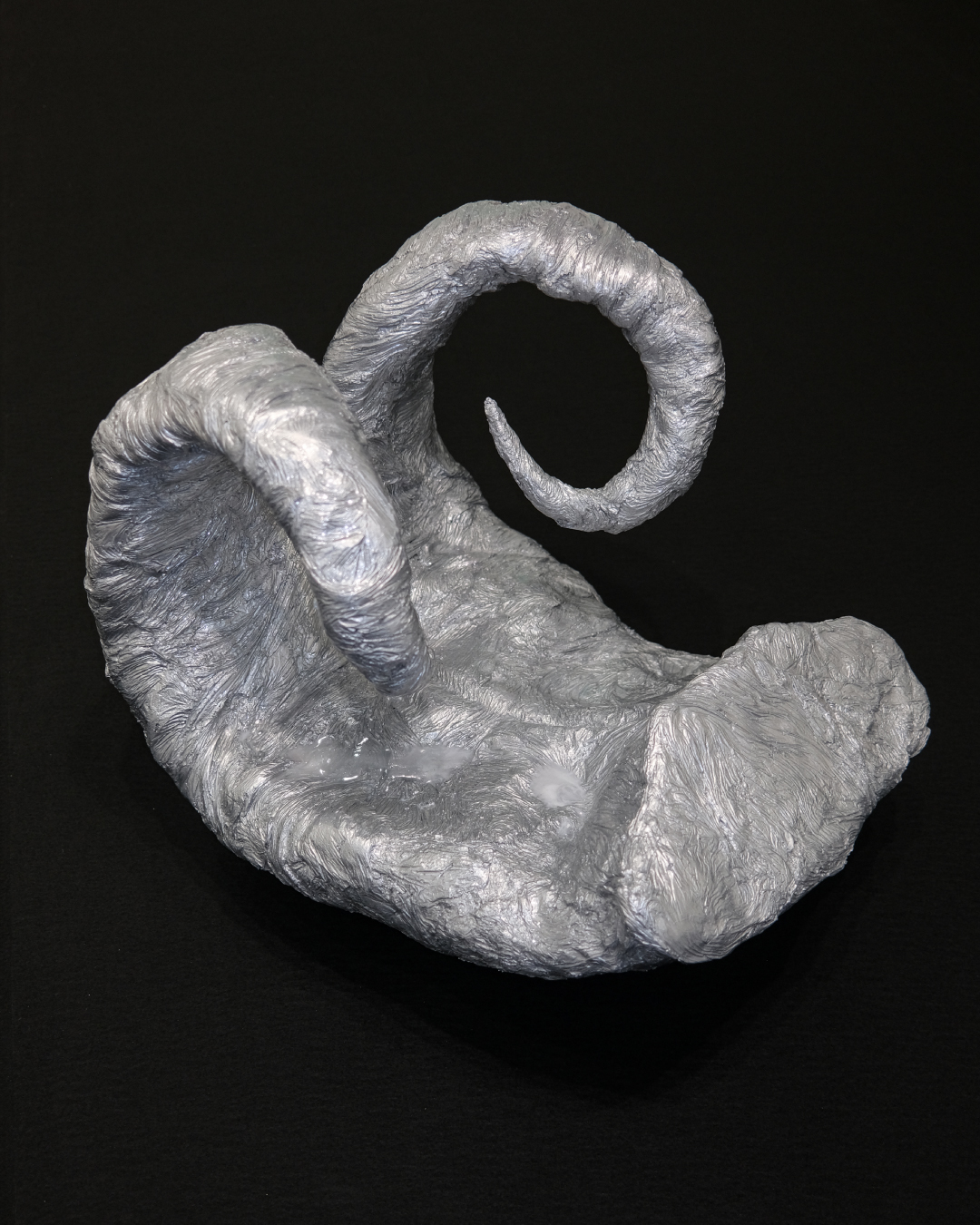
Visual artist Taru Happonen explores a complex, ever-changing world from both a cosmic and microscopic perspective in her exhibition Taxidermy Surfaces. Blending sci-fi and real-world elements, she combines the peeled skins of creatures with recurring motifs such as eye shapes, plant cells and circuitry.
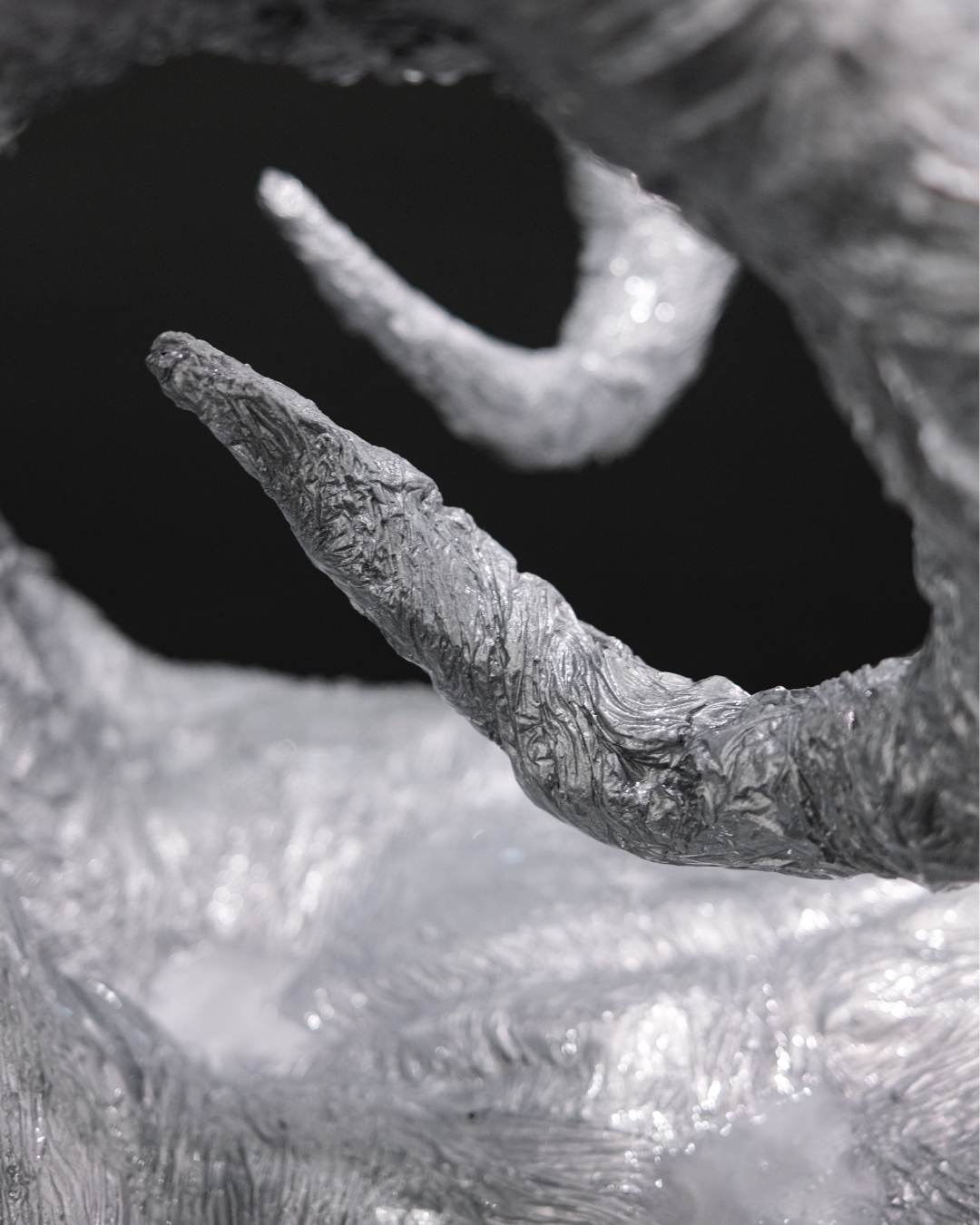
The works featured in the exhibition employ a diverse array of materials such as pearlescent pigments, aluminium powder, oil paint, marble powder and mineral resin, mixing together materials traditionally associated either with painting or sculpture. Organic and synthetic elements are inextricably intertwined in both the material presence and content of Happonen’s art.
(FI)
Aika oli ainoa asia, joka saattoi jatkaa kulkuaan kenenkään estelemättä. Kuin äänetön, terävä miekka se leikkasi kahtia kaiken kovan ja kaiken pehmeän ja jatkoi sitten väsymättä matkaansa. Mikään maailmassa ei voinut sen kulkuun vaikuttaa, kun taas se itse muutti mennessään kaiken.
(Ote Liu Cixinin romaanista Synkkä metsä, kääntänyt Rauno Sainio)
Kuvataiteilija Taru Happosen näyttely Taxidermy Surfaces tarkastelee kompleksista ja jatkuvasti muutoksessa olevaa maailmaa kosmisesta mittakaavasta ja mikroskooppisen läheltä. Teoksissa kohtaavat scifi ja todellisen maailman elementit. Olentojen kuoritut ihot yhdistyvät toistuvaan silmän muotoon, kasvisoluihin ja virtapiireihin.
Näyttelyn teoksissa on käytetty laajasti erilaisia materiaaleja, kuten helmiäispigmenttejä, alumiinijauhetta, öljyväriä, marmorijauhetta ja mineraalihartsia. Perinteisesti joko maalaus- tai veistotaiteeseen liitetyt materiaalit sekoittuvat teoksissa keskenään. Samalla myös orgaaninen ja synteettinen kietoutuvat toisiinsa erottamattomasti sekä materiaalien että sisältöjen kautta.
(SV)
Tiden var det enda som kunde fortsätta sin gång utan att någon hindrade det. Som ett ljudlöst, skarpt svärd klöv den itu allt hårt och allt mjukt, och fortsatte sedan outtröttligt sin väg. Inget i världen kunde påverka dess förlopp, men den själv å sin sida förändrade allt genom sin gång.
(Utdrag ur Liu Cixins roman The Dark Forest, översatt från engelska av Mats Forsskåhl)
Bildkonstnären Taru Happonens utställning Taxidermy Surfaces granskar den komplexa och ständigt föränderliga världen i en kosmisk skala och på mikroskopiskt nära håll. I verken möts science fiction och element ur den verkliga världen. Varelsernas skalade hud kombineras med återkommande former av ett öga, växtceller och strömkretsar.
I verken på utställningen har konstnären använt ett brett spektrum olika material som pärlemorpigment, aluminiumpulver, oljefärg, marmorpulver och mineralharts. Materialen som traditionellt förknippats med antingen måleriet eller skulpturkonsten blandas i verken. Samtidigt flätas också det organiska och det syntetiska samman på ett oskiljaktigt sätt genom både material och innehåll.
(EN)
Time is the one thing that can’t be stopped. Like a sharp blade, it silently cuts through hard and soft, constantly advancing. Nothing is capable of jolting it even the slightest bit, but it changes everything.
(Excerpt from Liu Cixin’s novel The Dark Forest, translated by Joel Martinsen)
Visual artist Taru Happonen explores a complex, ever-changing world from both a cosmic and microscopic perspective in her exhibition Taxidermy Surfaces. Blending sci-fi and real-world elements, she combines the peeled skins of creatures with recurring motifs such as eye shapes, plant cells and circuitry.
The works featured in the exhibition employ a diverse array of materials such as pearlescent pigments, aluminium powder, oil paint, marble powder and mineral resin, mixing together materials traditionally associated either with painting or sculpture. Organic and synthetic elements are inextricably intertwined in both the material presence and content of Happonen’s art.
(FI)
Aika oli ainoa asia, joka saattoi jatkaa kulkuaan kenenkään estelemättä. Kuin äänetön, terävä miekka se leikkasi kahtia kaiken kovan ja kaiken pehmeän ja jatkoi sitten väsymättä matkaansa. Mikään maailmassa ei voinut sen kulkuun vaikuttaa, kun taas se itse muutti mennessään kaiken.
(Ote Liu Cixinin romaanista Synkkä metsä, kääntänyt Rauno Sainio)
Kuvataiteilija Taru Happosen näyttely Taxidermy Surfaces tarkastelee kompleksista ja jatkuvasti muutoksessa olevaa maailmaa kosmisesta mittakaavasta ja mikroskooppisen läheltä. Teoksissa kohtaavat scifi ja todellisen maailman elementit. Olentojen kuoritut ihot yhdistyvät toistuvaan silmän muotoon, kasvisoluihin ja virtapiireihin.
Näyttelyn teoksissa on käytetty laajasti erilaisia materiaaleja, kuten helmiäispigmenttejä, alumiinijauhetta, öljyväriä, marmorijauhetta ja mineraalihartsia. Perinteisesti joko maalaus- tai veistotaiteeseen liitetyt materiaalit sekoittuvat teoksissa keskenään. Samalla myös orgaaninen ja synteettinen kietoutuvat toisiinsa erottamattomasti sekä materiaalien että sisältöjen kautta.
(SV)
Tiden var det enda som kunde fortsätta sin gång utan att någon hindrade det. Som ett ljudlöst, skarpt svärd klöv den itu allt hårt och allt mjukt, och fortsatte sedan outtröttligt sin väg. Inget i världen kunde påverka dess förlopp, men den själv å sin sida förändrade allt genom sin gång.
(Utdrag ur Liu Cixins roman The Dark Forest, översatt från engelska av Mats Forsskåhl)
Bildkonstnären Taru Happonens utställning Taxidermy Surfaces granskar den komplexa och ständigt föränderliga världen i en kosmisk skala och på mikroskopiskt nära håll. I verken möts science fiction och element ur den verkliga världen. Varelsernas skalade hud kombineras med återkommande former av ett öga, växtceller och strömkretsar.
I verken på utställningen har konstnären använt ett brett spektrum olika material som pärlemorpigment, aluminiumpulver, oljefärg, marmorpulver och mineralharts. Materialen som traditionellt förknippats med antingen måleriet eller skulpturkonsten blandas i verken. Samtidigt flätas också det organiska och det syntetiska samman på ett oskiljaktigt sätt genom både material och innehåll.