
Vital Debris
2025
Solo exhibition
Porvoo Art Hall (FI)
2025
Solo exhibition
Porvoo Art Hall (FI)






Exhibition text
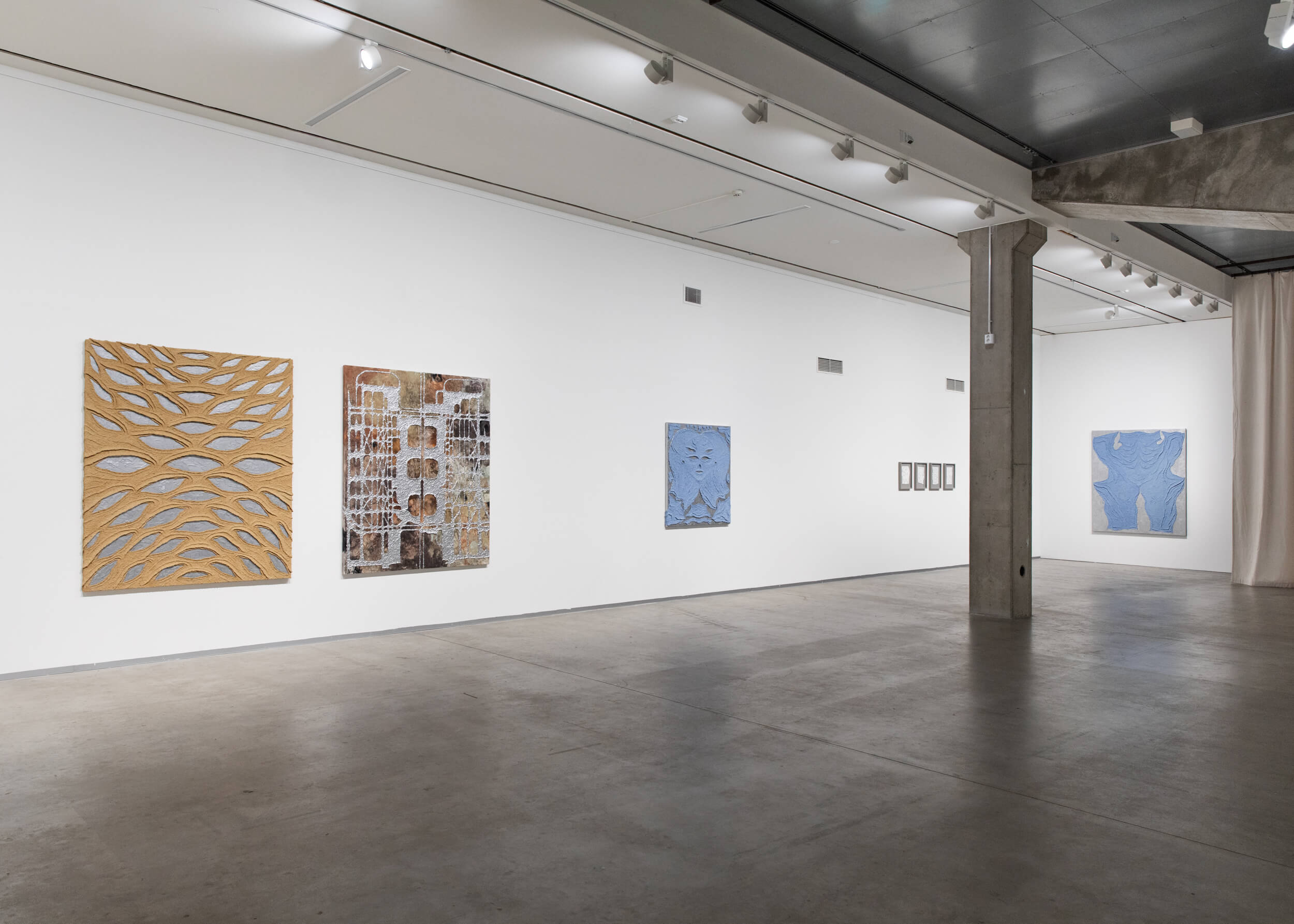
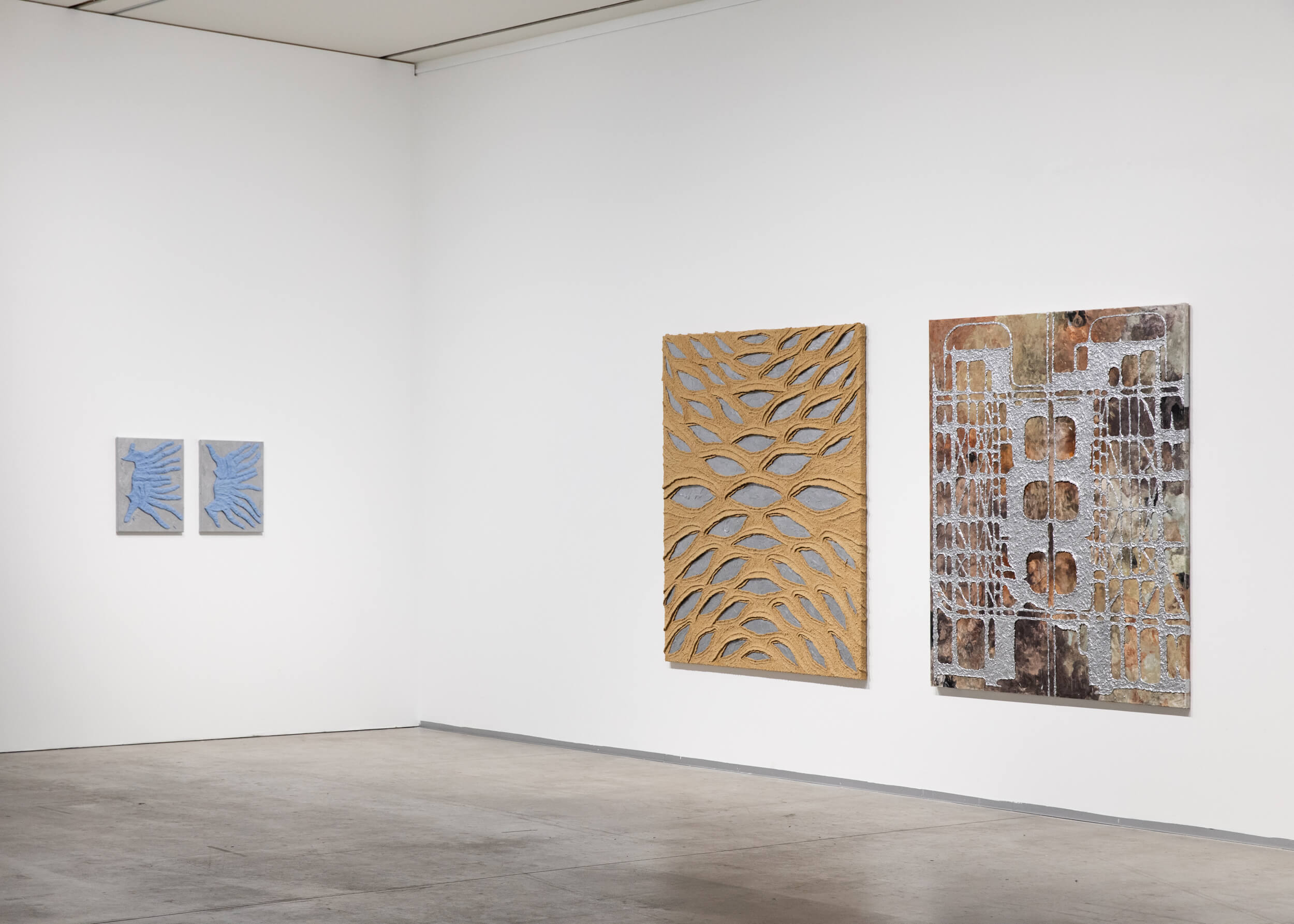
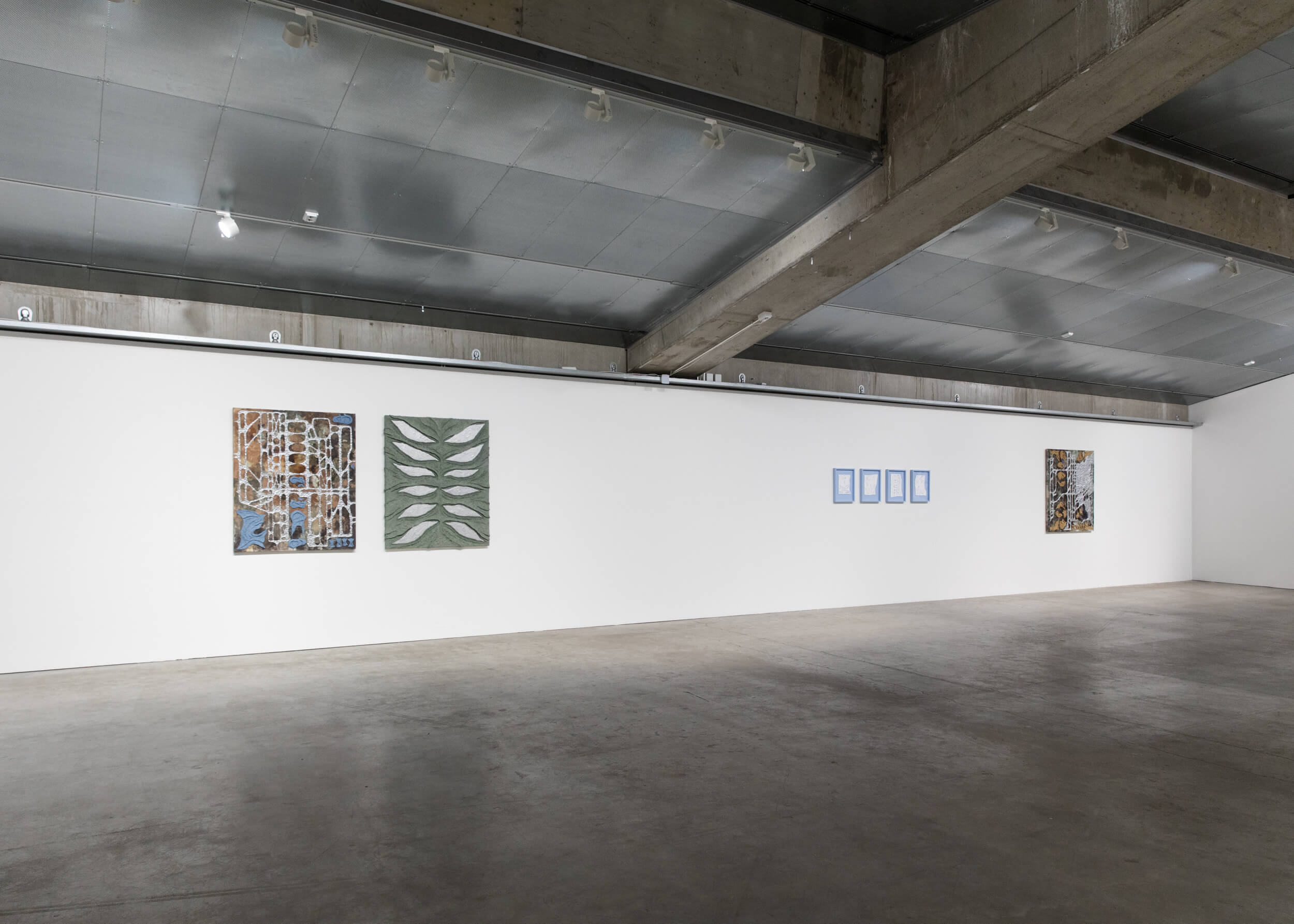
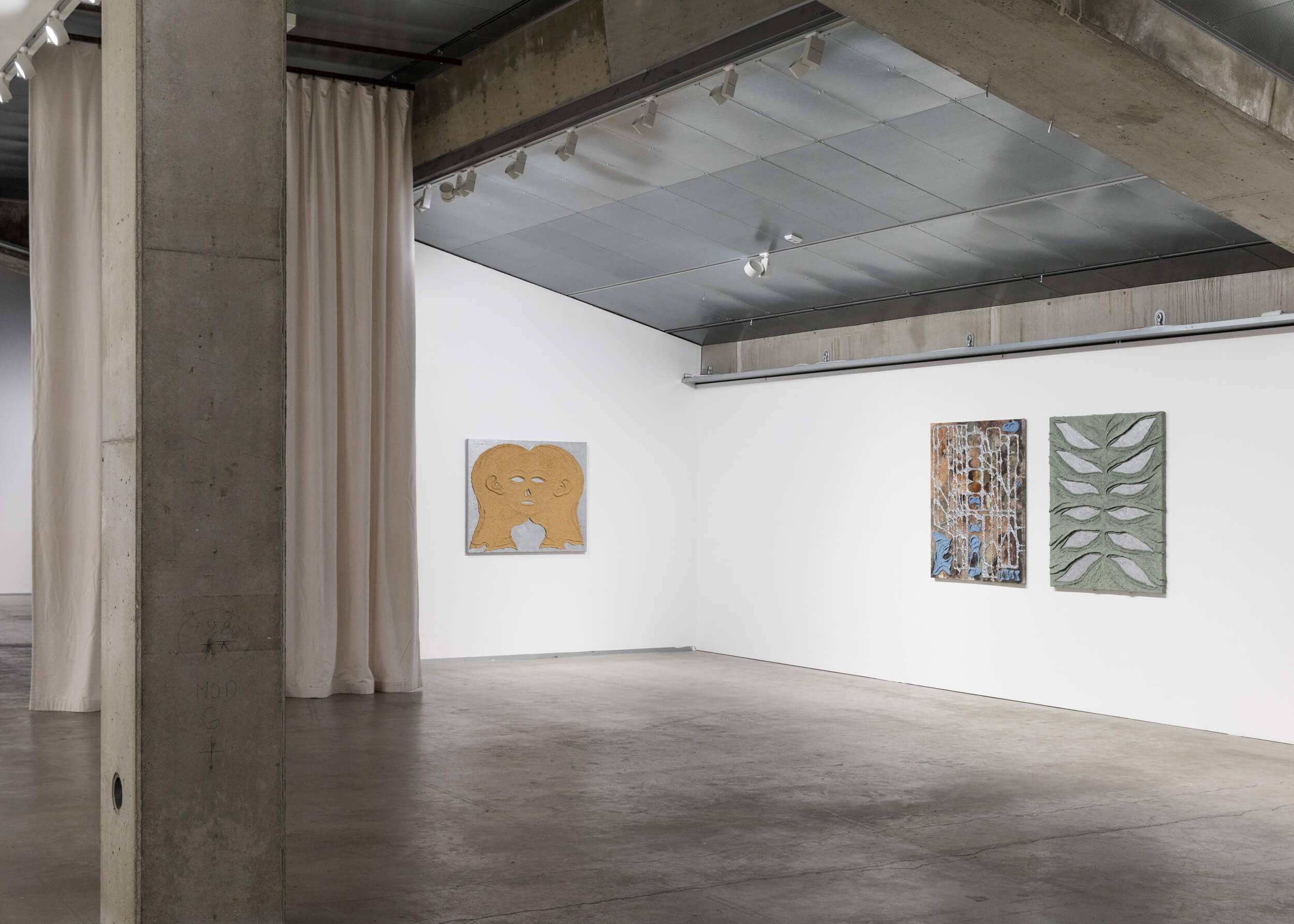
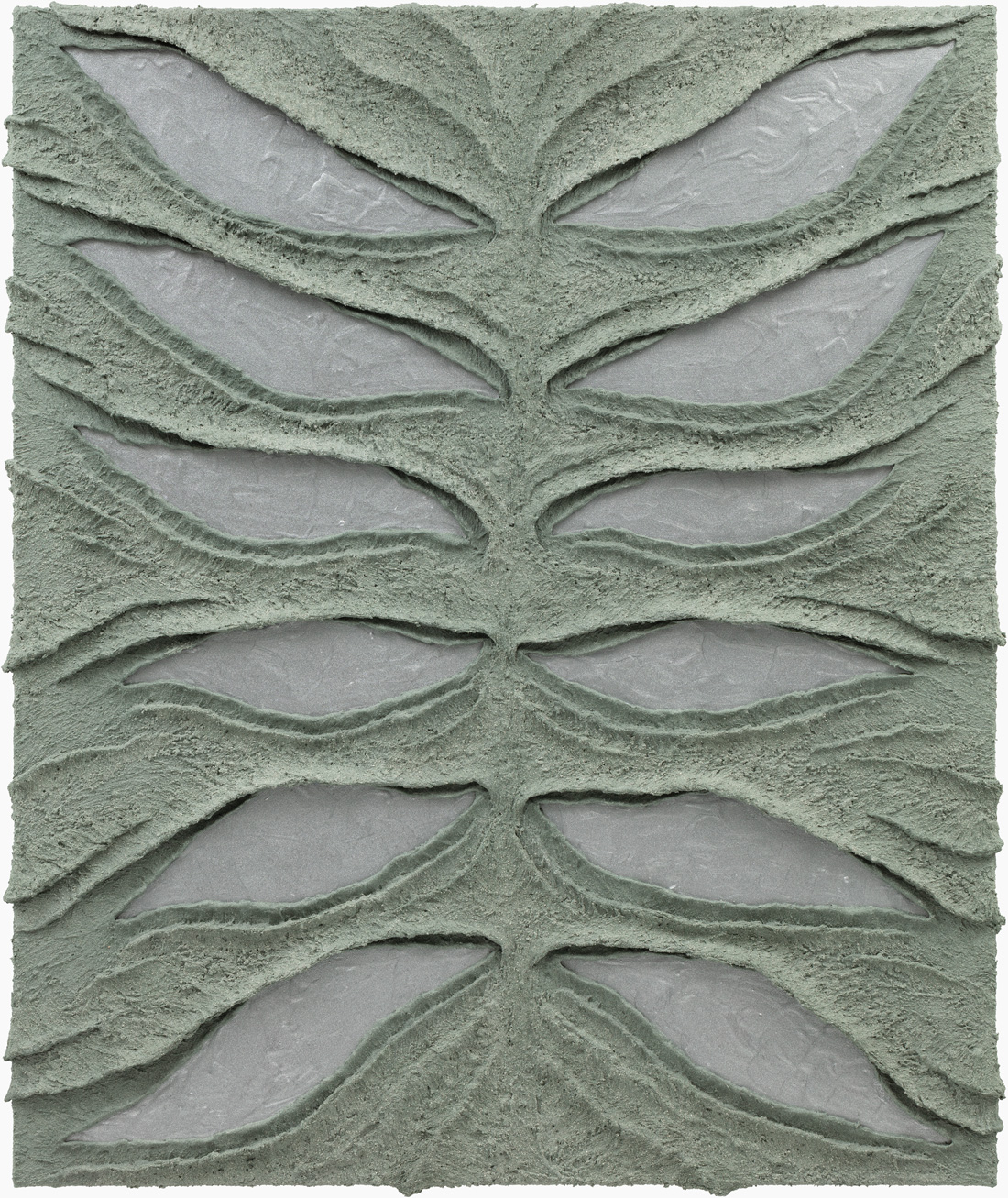
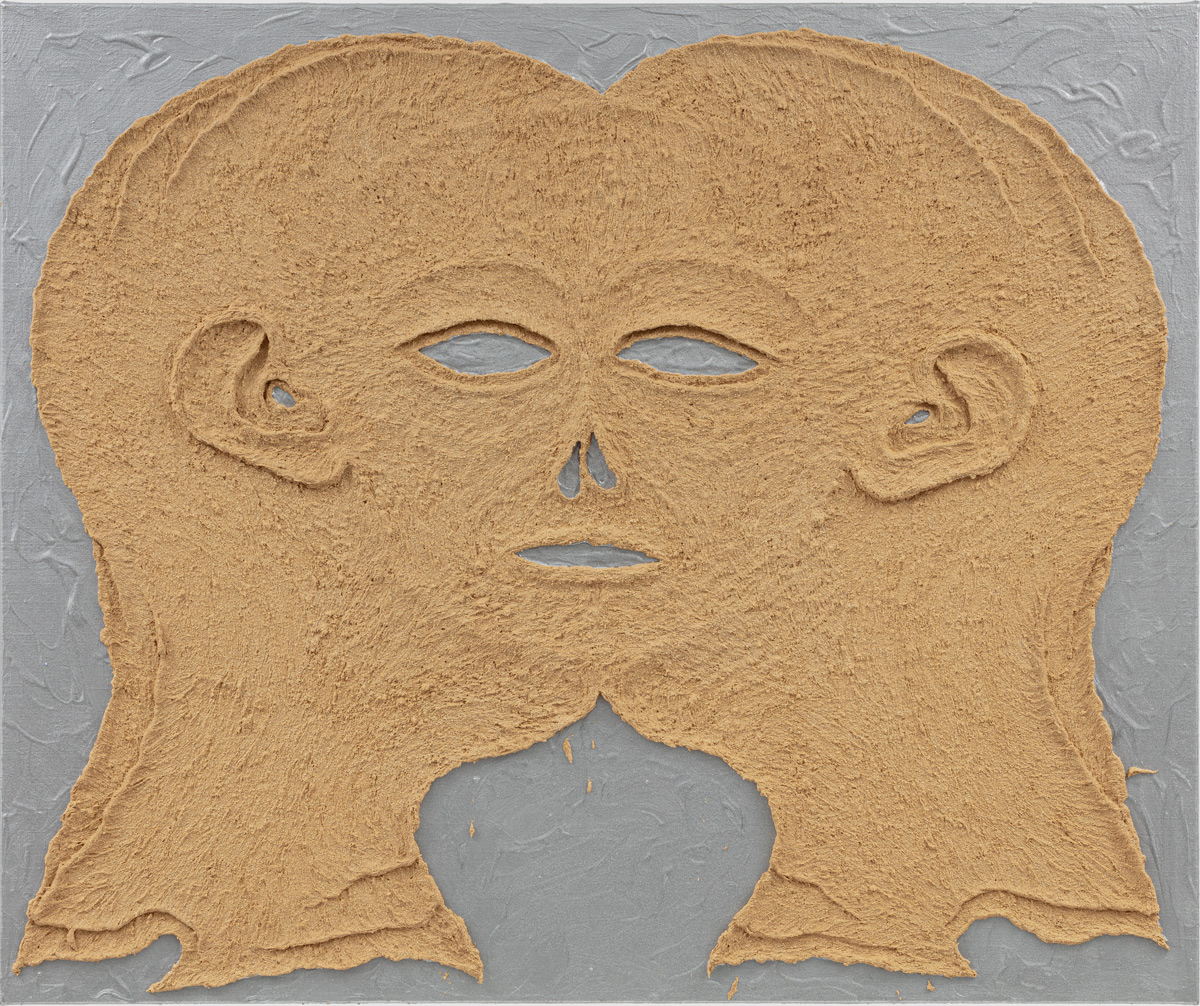
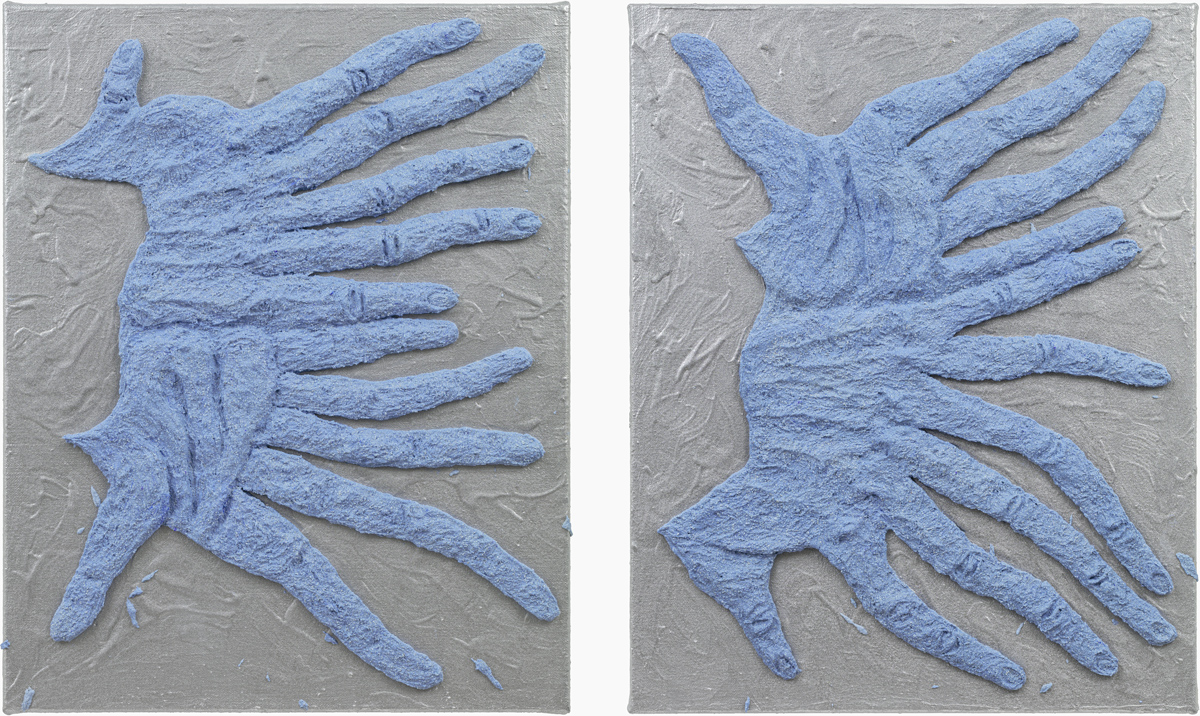
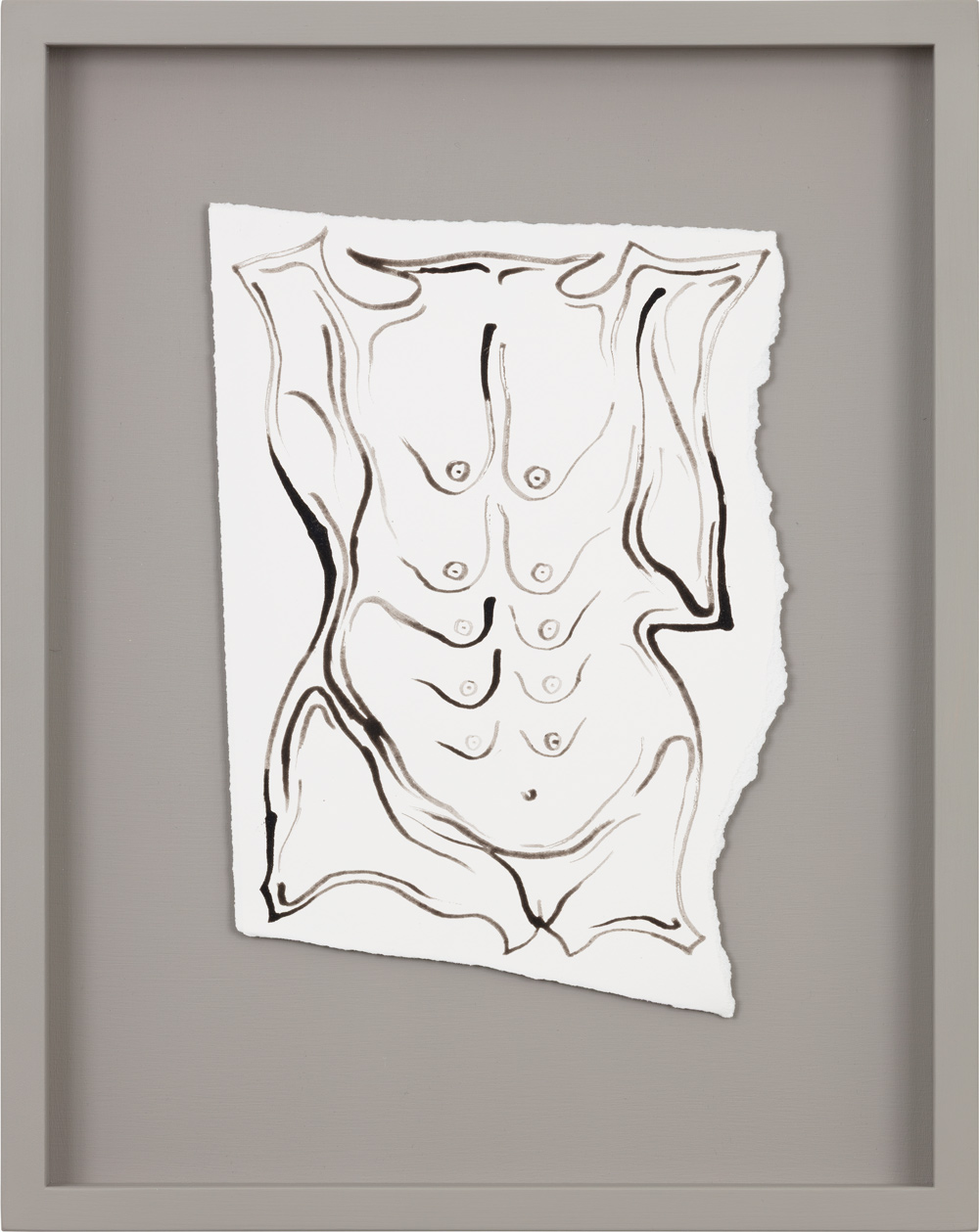
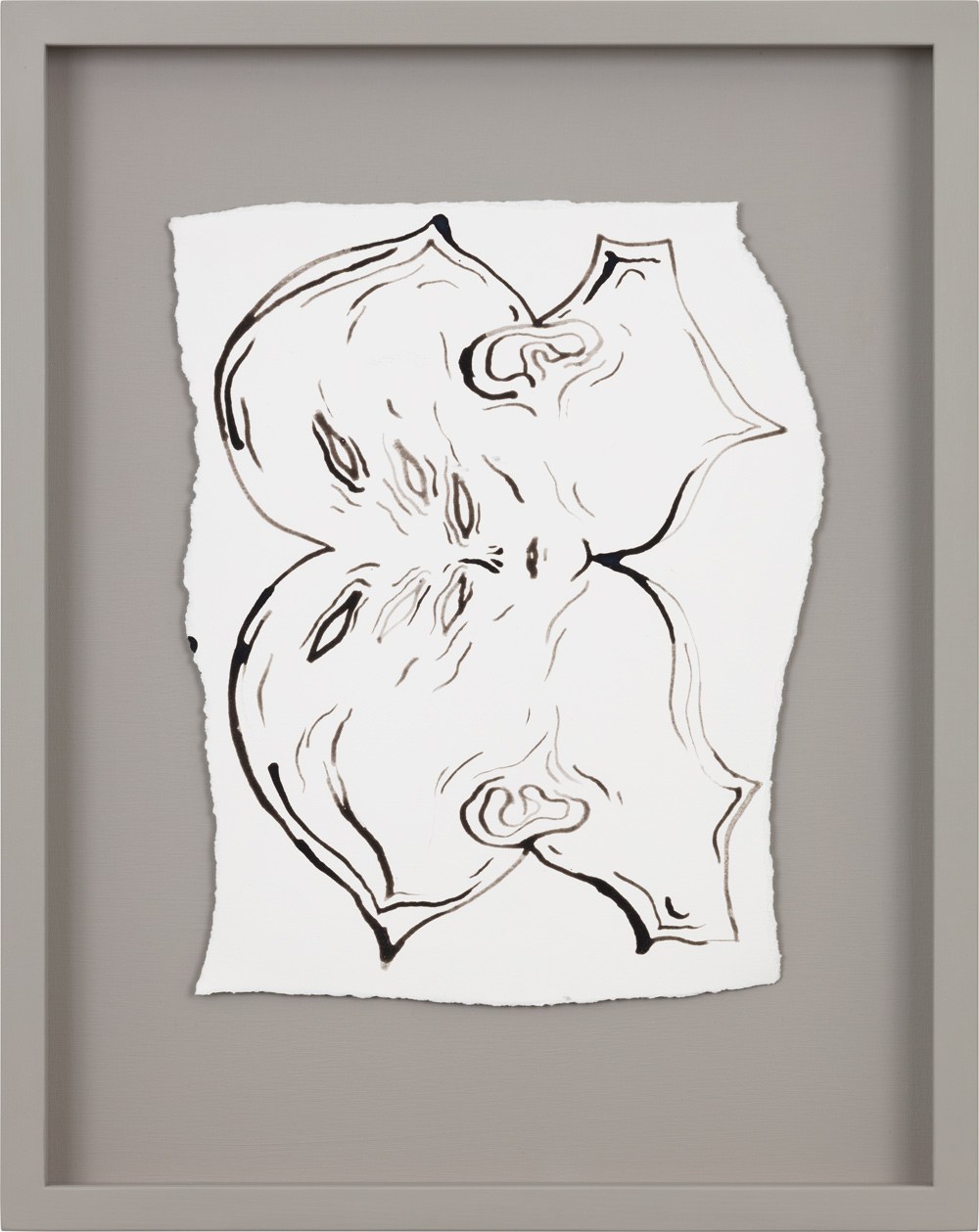
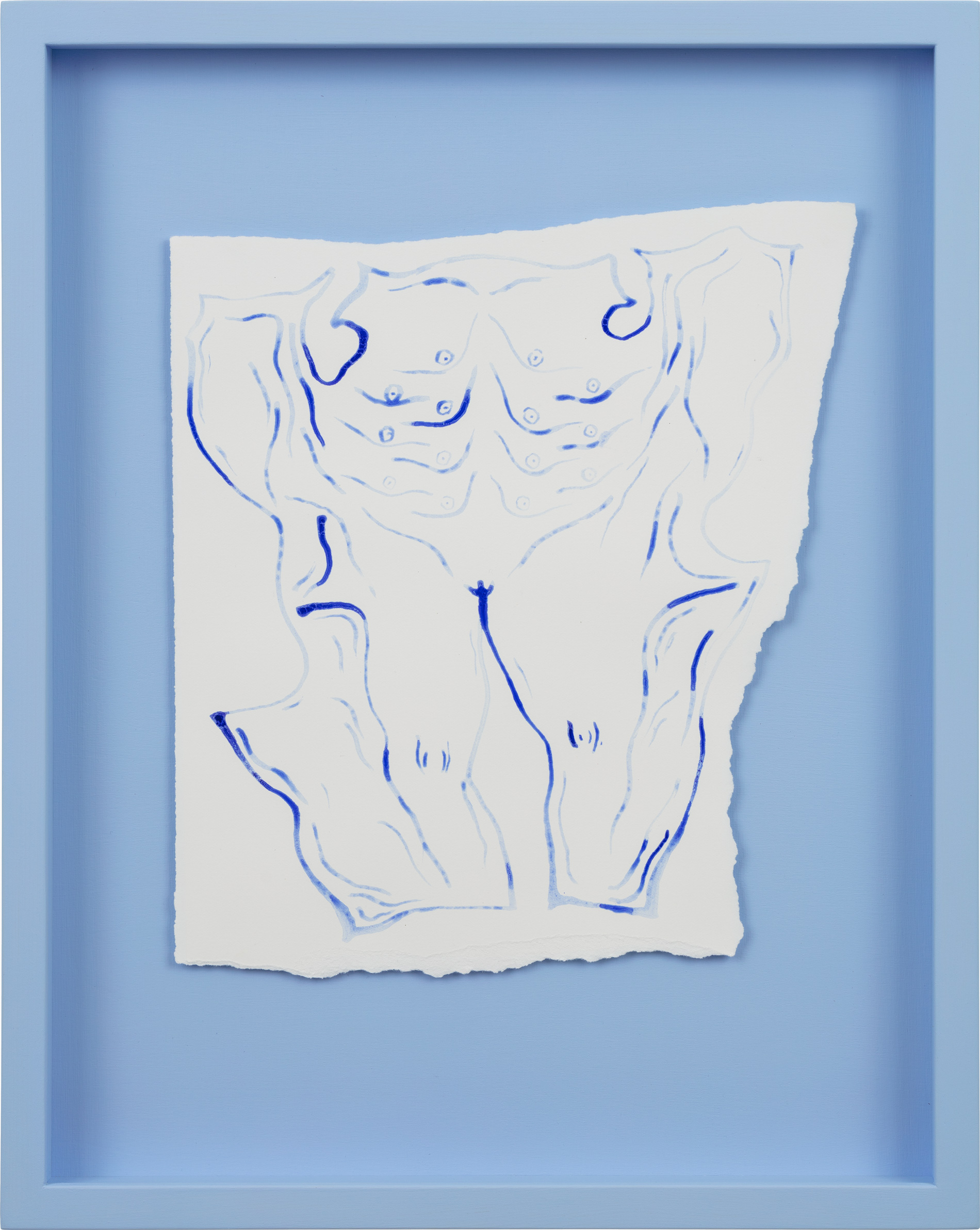
Taru Happonen paints like an archaeologist, examining satellite images, cells, motherboards, and skin surfaces from the perspective of another time. In the paintings, hardly anything human can be seen. She performs a dissection of an environment caught in a stage of slow collapse and mutation.
As one can read daily in the news, we are living in an age of planet-wide destruction. At the same time, however, new biological, geological, and synthetic species emerge: plastic-eating bacteria and new types of stone formed from the fossil industry waste. The living, the non-living, and the artificial blend into one another, this era merging with the one to come. The world changes regardless of human feelings, moving toward a time beyond human existence.
Sometimes change only becomes perceptible by shifting the scale of observation. This is the fundamental movement in the exhibition: zooming in and out of the human experience.
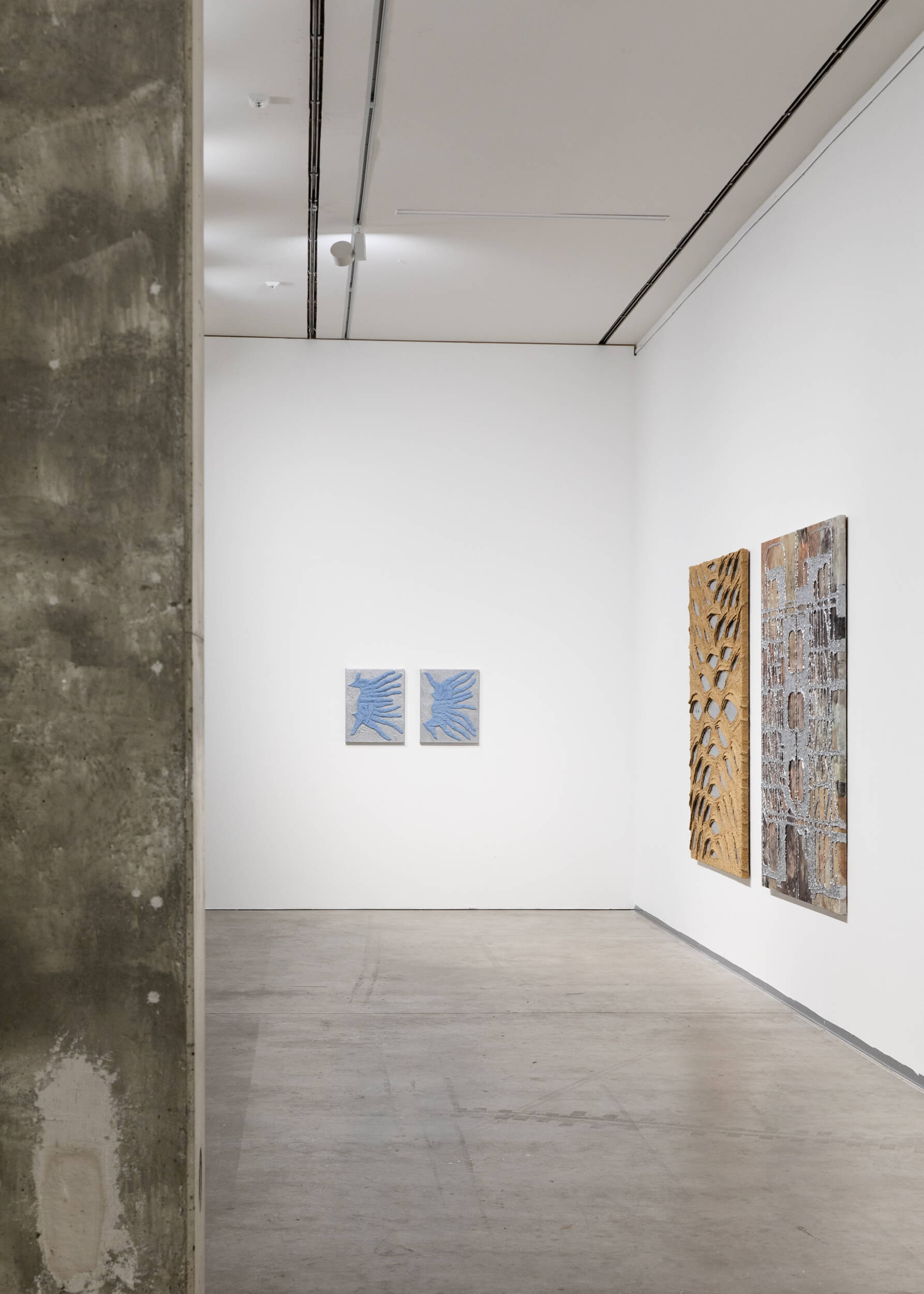
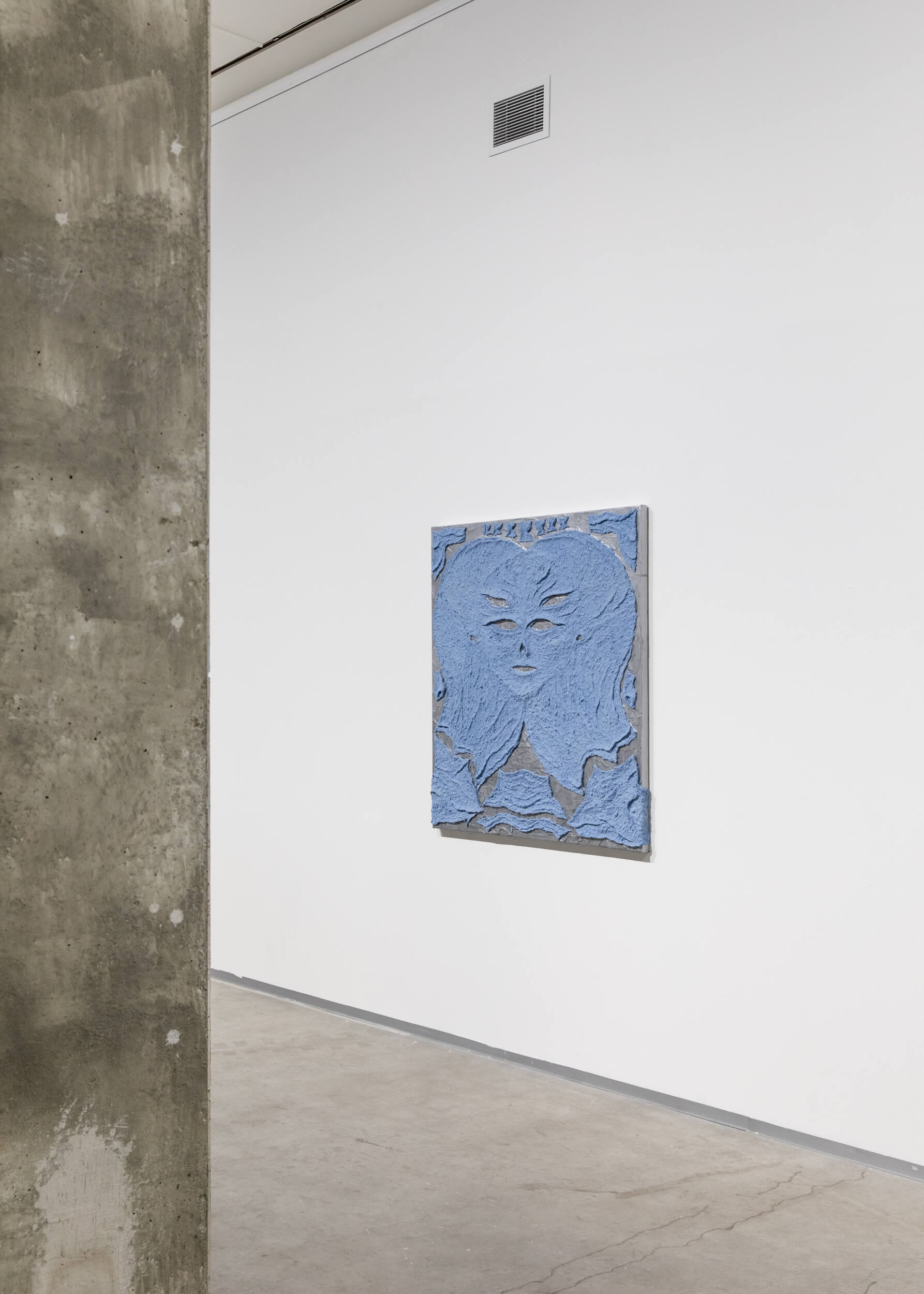
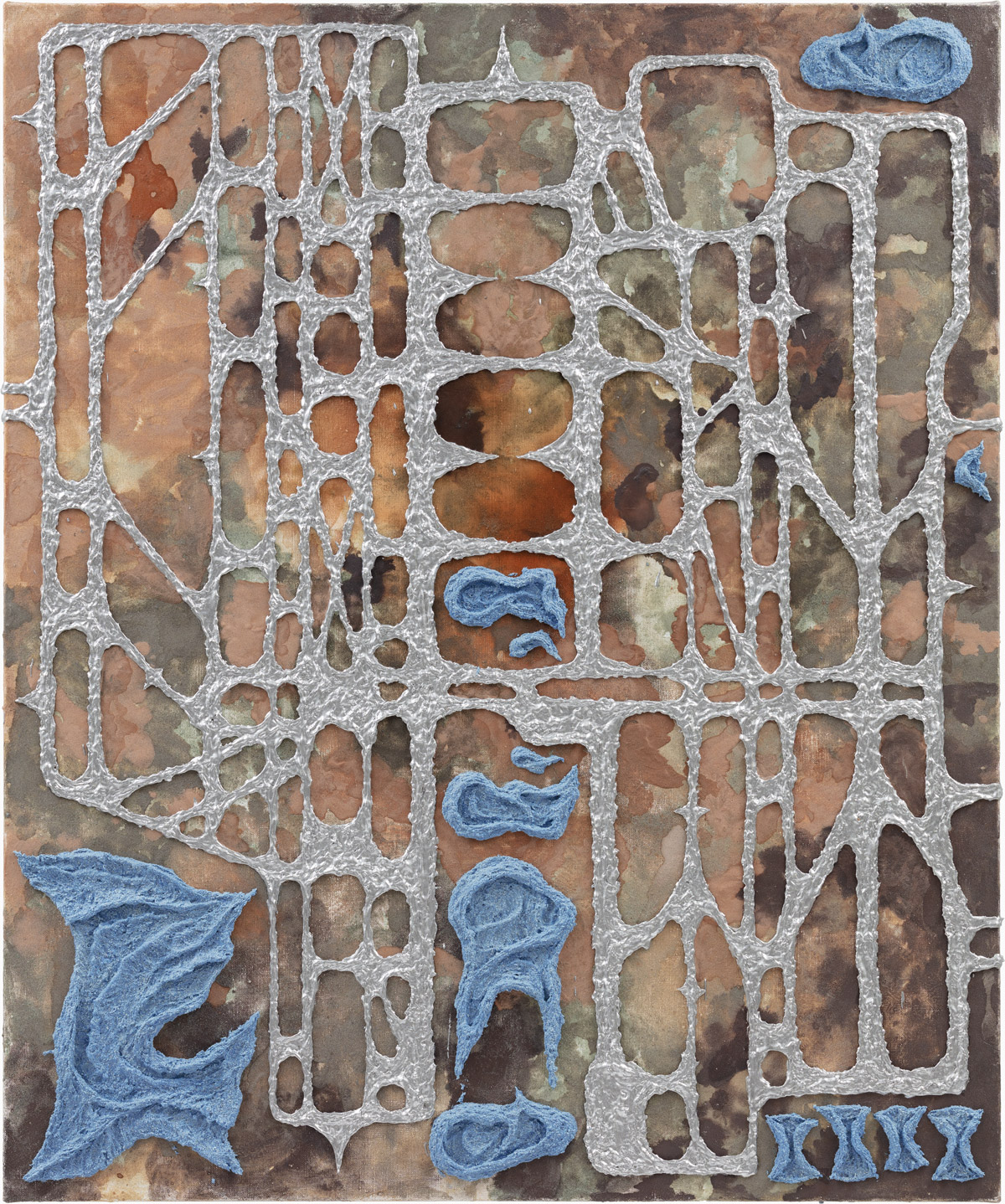
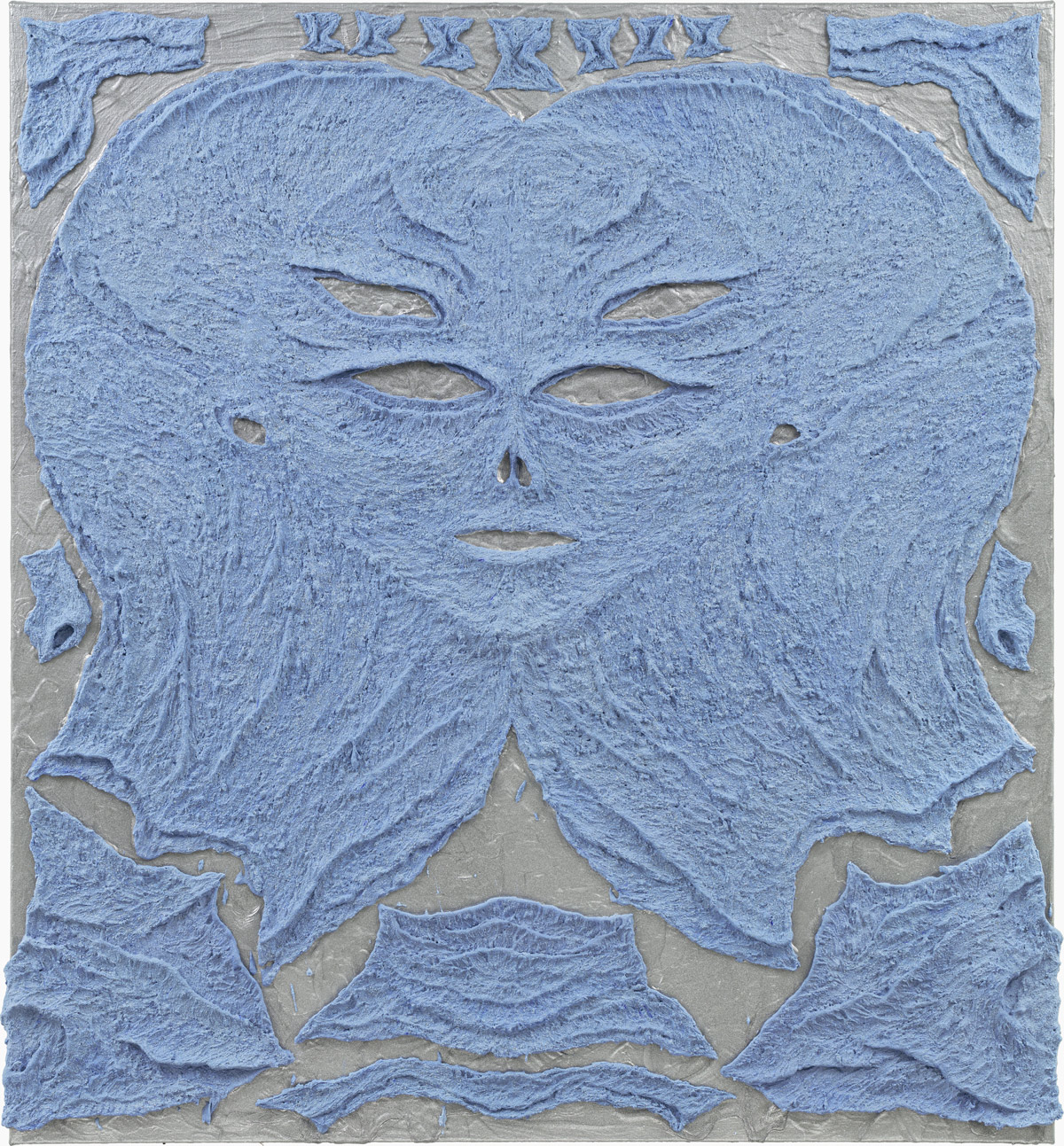
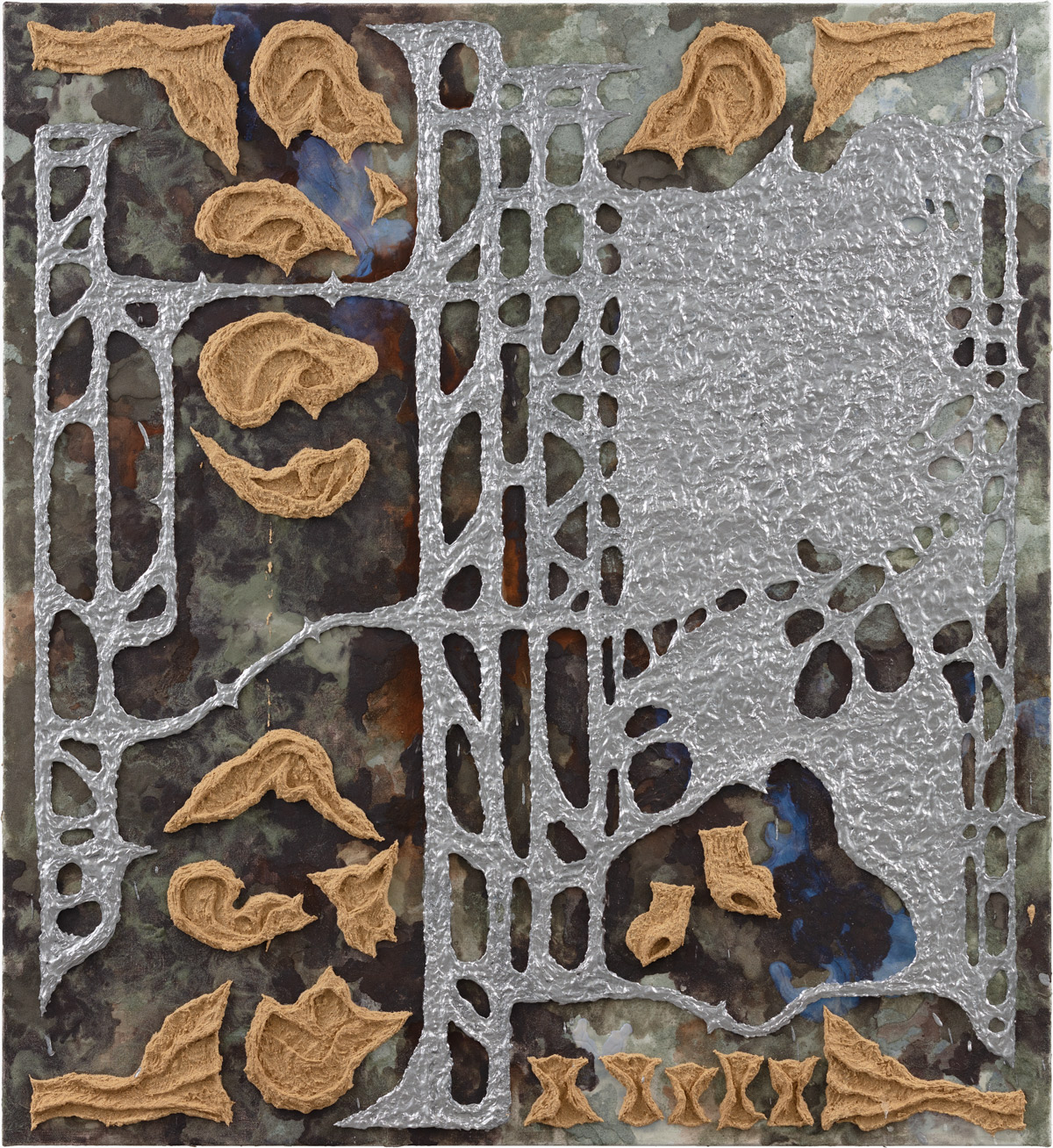
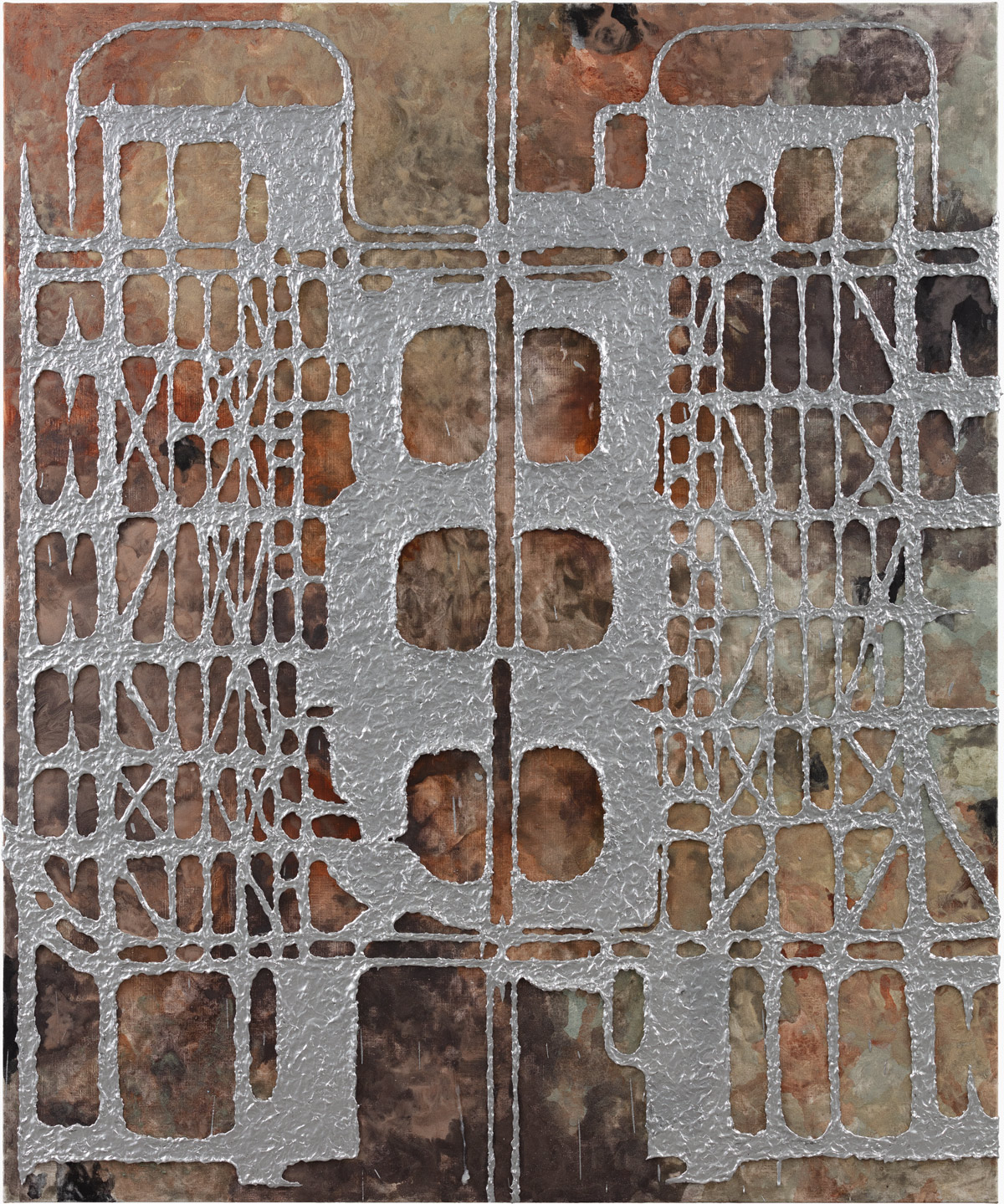
Hole- and eye-like forms recur in the works at different scales, as do circuit-like diagrams resembling circuit boards. Similar structures also repeat in nature across scales. Tree leaves contain “eyes” at the microscopic level, as do cells. Networks of neurons resemble the traces on a computer motherboard, and both resemble satellite images of airports and cities. These structures optimise the transmission of signals and energy efficiency. Nervous systems with their synapses, transistors with their logic gates, and cities with their street networks demonstrate how the regularities of physics scale across levels.
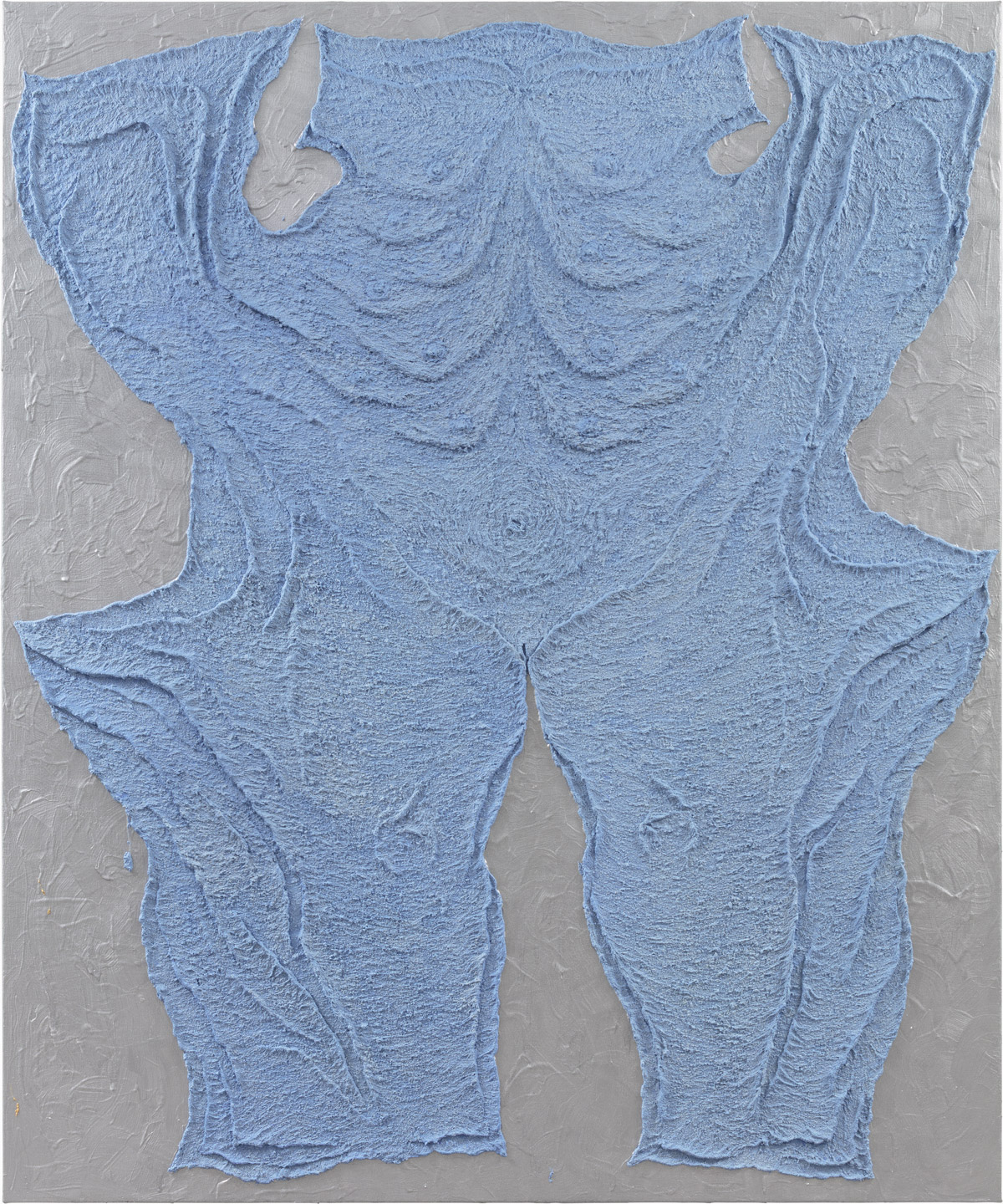
The works incorporate marble, stone, and aluminium powder, along with glue, paper, and wood. In the choice of materials, a similar kind of interweaving takes place as in the scales and temporal dimensions depicted in the works. Their colours and materials adapt to the concrete and aluminium of Porvoo Art Hall, just as a living species always adapts to its prevailing environment. The exhibition explores the layers of deep geological time and movements on scales beyond human experience, and as a whole it is at once tender and unsettling.
Reaching towards the sculptural, the paintings evoke the way two-dimensional surfaces become three-dimensional forms by being wrapped or folded. When the surface of the beings is peeled away and unfolded, as happens in several of Happonen’s works, one returns to the two-dimensional plane.
The end of painting on canvas has long been declared, and art education today emphasises expanded forms of visual art. Happonen demonstrates that painting executed on a rectangular canvas still holds power. Even if the works appear non-human, they remind us why humankind has gazed at painted surfaces for thousands of years: because for a moment they can transport us from the midst of the visible to where we cannot see.
Text: Pontus Purokuru
Artwork photos: Angel Gil
Installation photos: Anna Niskanen
Taru Happonen paints like an archaeologist, examining satellite images, cells, motherboards, and skin surfaces from the perspective of another time. In the paintings, hardly anything human can be seen. She performs a dissection of an environment caught in a stage of slow collapse and mutation.
As one can read daily in the news, we are living in an age of planet-wide destruction. At the same time, however, new biological, geological, and synthetic species emerge: plastic-eating bacteria and new types of stone formed from the fossil industry waste. The living, the non-living, and the artificial blend into one another, this era merging with the one to come. The world changes regardless of human feelings, moving toward a time beyond human existence.
Sometimes change only becomes perceptible by shifting the scale of observation. This is the fundamental movement in the exhibition: zooming in and out of the human experience.
Hole- and eye-like forms recur in the works at different scales, as do circuit-like diagrams resembling circuit boards. Similar structures also repeat in nature across scales. Tree leaves contain “eyes” at the microscopic level, as do cells. Networks of neurons resemble the traces on a computer motherboard, and both resemble satellite images of airports and cities. These structures optimise the transmission of signals and energy efficiency. Nervous systems with their synapses, transistors with their logic gates, and cities with their street networks demonstrate how the regularities of physics scale across levels.
The works incorporate marble, stone, and aluminium powder, along with glue, paper, and wood. In the choice of materials, a similar kind of interweaving takes place as in the scales and temporal dimensions depicted in the works. Their colours and materials adapt to the concrete and aluminium of Porvoo Art Hall, just as a living species always adapts to its prevailing environment. The exhibition explores the layers of deep geological time and movements on scales beyond human experience, and as a whole it is at once tender and unsettling.
Reaching towards the sculptural, the paintings evoke the way two-dimensional surfaces become three-dimensional forms by being wrapped or folded. When the surface of the beings is peeled away and unfolded, as happens in several of Happonen’s works, one returns to the two-dimensional plane.
The end of painting on canvas has long been declared, and art education today emphasises expanded forms of visual art. Happonen demonstrates that painting executed on a rectangular canvas still holds power. Even if the works appear non-human, they remind us why humankind has gazed at painted surfaces for thousands of years: because for a moment they can transport us from the midst of the visible to where we cannot see.
Text: Pontus Purokuru
Artwork photos: Angel Gil
Installation photos: Anna Niskanen
Taxidermy Surfaces
2024
Solo exhibition
HAM Gallery
Helsinki Art Museum (FI)
2024
Solo exhibition
HAM Gallery
Helsinki Art Museum (FI)



Exhibition text
Time is the one thing that can’t be stopped. Like a sharp blade, it silently cuts through hard and soft, constantly advancing. Nothing is capable of jolting it even the slightest bit, but it changes everything.
(Excerpt from Liu Cixin’s novel The Dark Forest, translated by Joel Martinsen)
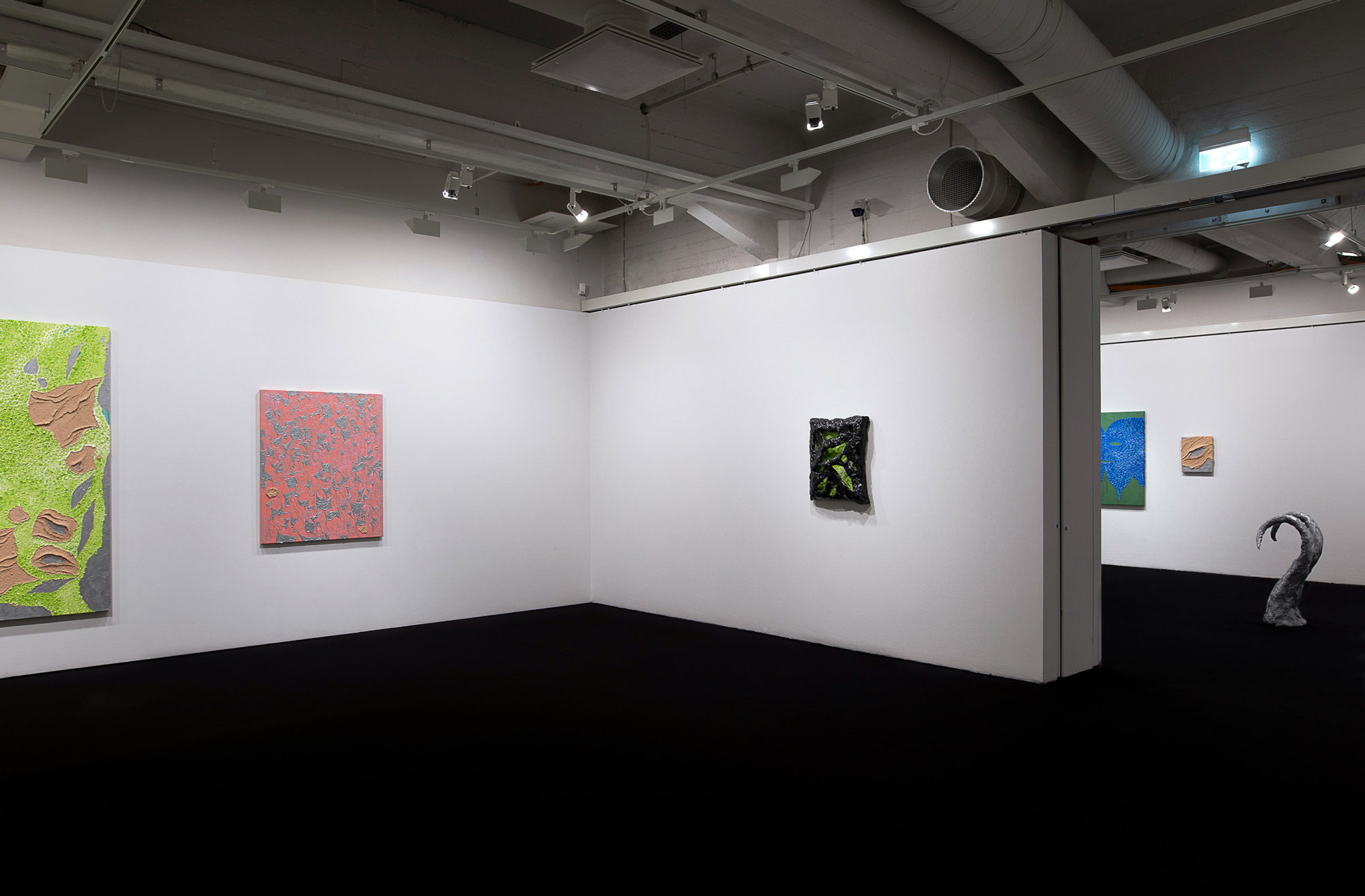
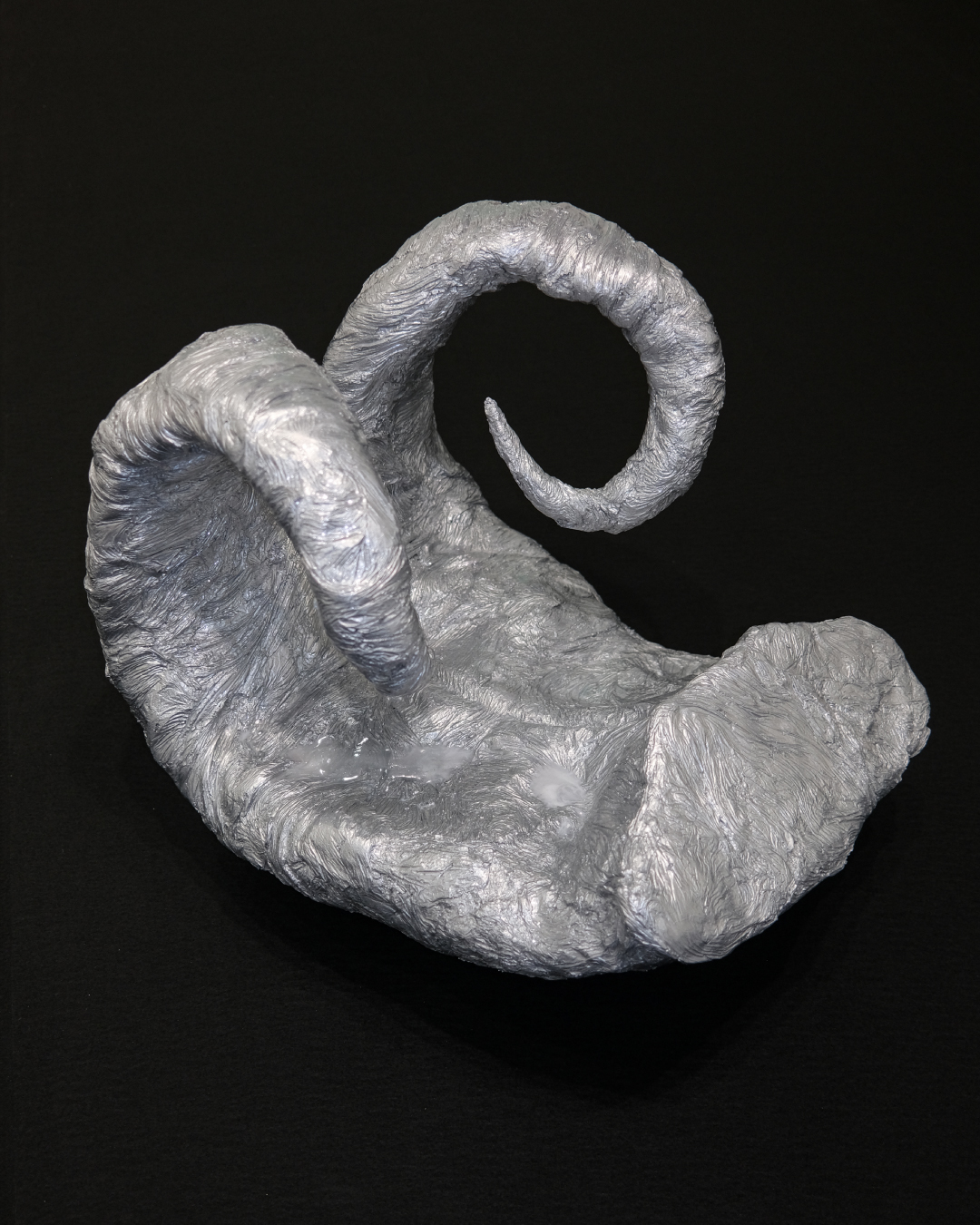
Visual artist Taru Happonen explores a complex, ever-changing world from both a cosmic and microscopic perspective in her exhibition Taxidermy Surfaces. Blending sci-fi and real-world elements, she combines the peeled skins of creatures with recurring motifs such as eye shapes, plant cells and circuitry.
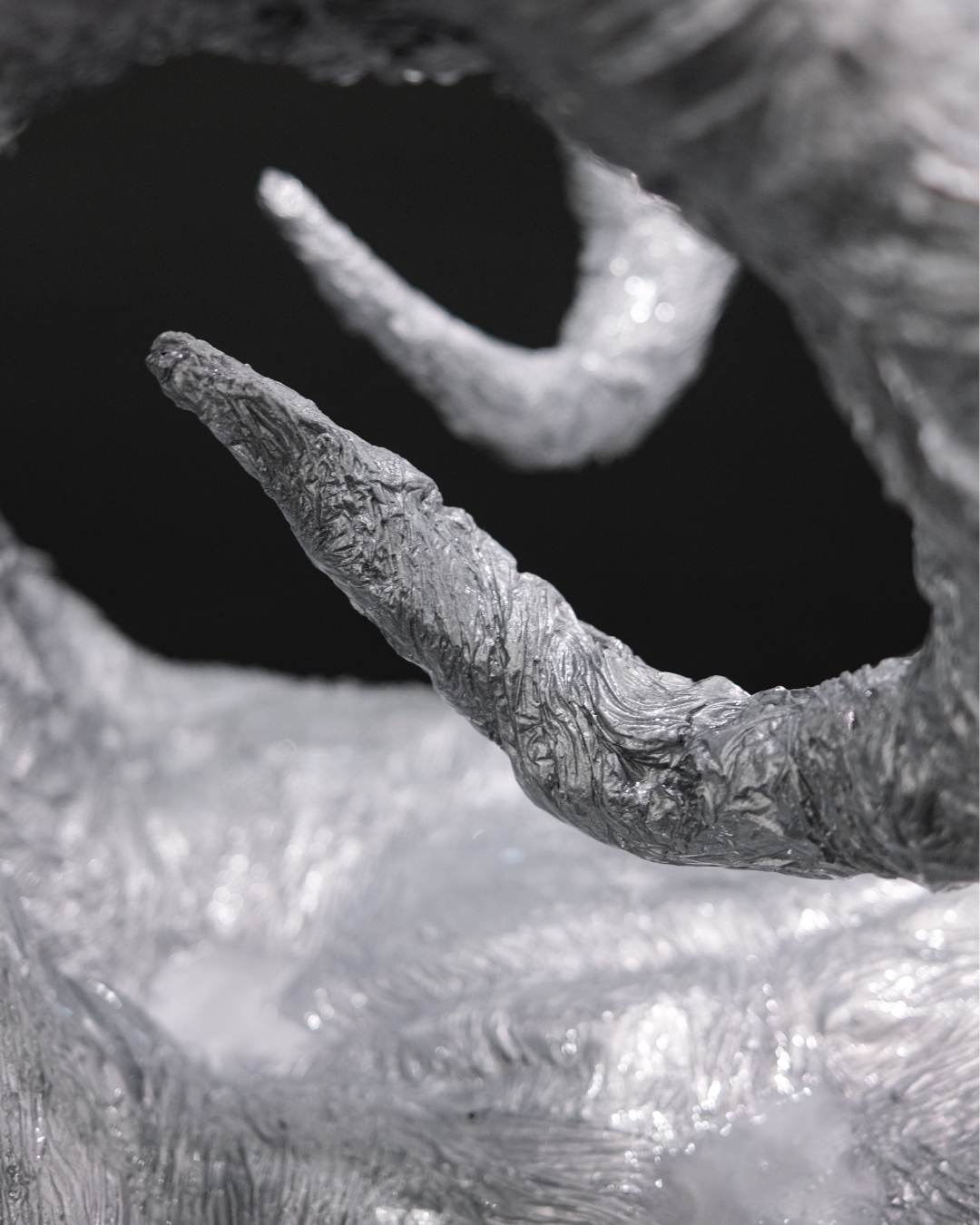
The works featured in the exhibition employ a diverse array of materials such as pearlescent pigments, aluminium powder, oil paint, marble powder and mineral resin, mixing together materials traditionally associated either with painting or sculpture. Organic and synthetic elements are inextricably intertwined in both the material presence and content of Happonen’s art.
The soundscape of the exhibition was created in collaboration with composer Tapio Viitasaari.
Artwork photos: Angel Gil
Installation photos: HAM/Sonja Hyytiäinen
Time is the one thing that can’t be stopped. Like a sharp blade, it silently cuts through hard and soft, constantly advancing. Nothing is capable of jolting it even the slightest bit, but it changes everything.
(Excerpt from Liu Cixin’s novel The Dark Forest, translated by Joel Martinsen)
Visual artist Taru Happonen explores a complex, ever-changing world from both a cosmic and microscopic perspective in her exhibition Taxidermy Surfaces. Blending sci-fi and real-world elements, she combines the peeled skins of creatures with recurring motifs such as eye shapes, plant cells and circuitry.
The works featured in the exhibition employ a diverse array of materials such as pearlescent pigments, aluminium powder, oil paint, marble powder and mineral resin, mixing together materials traditionally associated either with painting or sculpture. Organic and synthetic elements are inextricably intertwined in both the material presence and content of Happonen’s art.
The soundscape of the exhibition was created in collaboration with composer Tapio Viitasaari.
Artwork photos: Angel Gil
Installation photos: HAM/Sonja Hyytiäinen
Freshly Painted
2026
Group exhibition
Sara Hildén Art Museum
Tampere (FI)
2026
Group exhibition
Sara Hildén Art Museum
Tampere (FI)


Works in the exhibition
Exhibition info
The group exhibition Freshly Painted features visual artists who primarily live and work in Finland and whose main medium is painting. Marika Mäkelä, a painter and one of the artists represented in the Sara Hildén Foundation’s collection, suggested the name and concept of the Freshly Painted exhibition. Throughout her career, she has emphasised the significant support she has received from her female colleagues. Mäkelä participated in the pioneering Rakastettu kuva (Image of a Loved One) exhibition at Pyynikinlinna in Tampere in 1986. This was one of the first exhibitions in Finland to showcase exclusively female-created art. All of the participants were professional artists in their thirties who had successfully established themselves in the male-dominated art world. Now, forty years later, we take a look at contemporary painting: what is being created, and how has the profession of an artist changed?
In the Freshly Painted exhibition, all invited participants are represented by their own work and a selection of pieces they have proposed. The exhibition features several newly painted works that have not been seen before and these have been arranged into hanging collections based on their thematic content.
Exhibition artists: Emma Ainala, Milla Aska, Siiri Haarla, Taru Happonen, Karoliina Hellberg, Kaisa Huotari, Juliana Hyrri, Annamaari Hyttinen, Eveliina Hämäläinen, Essi Kuokkanen, Raana Lehtinen, Eeva Lietonen, Emma Luukkala, Iisa Maaranen, Elin Odentia, Melina Paakkonen, Sirkku Rosi, Kerttu Saali, Johanna Saikkonen, Riikka Sormunen, Astrid Strömberg, and Ebba Svensson
Curator: Sarianne Soikkonen
Text: Sara Hildén Art Museum
Installation photos: Jussi Koivunen
Artwork photos: Angel Gil
The group exhibition Freshly Painted features visual artists who primarily live and work in Finland and whose main medium is painting. Marika Mäkelä, a painter and one of the artists represented in the Sara Hildén Foundation’s collection, suggested the name and concept of the Freshly Painted exhibition. Throughout her career, she has emphasised the significant support she has received from her female colleagues. Mäkelä participated in the pioneering Rakastettu kuva (Image of a Loved One) exhibition at Pyynikinlinna in Tampere in 1986. This was one of the first exhibitions in Finland to showcase exclusively female-created art. All of the participants were professional artists in their thirties who had successfully established themselves in the male-dominated art world. Now, forty years later, we take a look at contemporary painting: what is being created, and how has the profession of an artist changed?
In the Freshly Painted exhibition, all invited participants are represented by their own work and a selection of pieces they have proposed. The exhibition features several newly painted works that have not been seen before and these have been arranged into hanging collections based on their thematic content.
Exhibition artists: Emma Ainala, Milla Aska, Siiri Haarla, Taru Happonen, Karoliina Hellberg, Kaisa Huotari, Juliana Hyrri, Annamaari Hyttinen, Eveliina Hämäläinen, Essi Kuokkanen, Raana Lehtinen, Eeva Lietonen, Emma Luukkala, Iisa Maaranen, Elin Odentia, Melina Paakkonen, Sirkku Rosi, Kerttu Saali, Johanna Saikkonen, Riikka Sormunen, Astrid Strömberg, and Ebba Svensson
Curator: Sarianne Soikkonen
Text: Sara Hildén Art Museum
Installation photos: Jussi Koivunen
Artwork photos: Angel Gil
A Dream in Four Colours
2026–2027
Kiasma collection exhibition
Museum of Contemporary Art Kiasma
Helsinki (FI)
2026–2027
Kiasma collection exhibition
Museum of Contemporary Art Kiasma
Helsinki (FI)


Works in the exhibition
Exhibition info
A Dream in Four Colours presents curated selections from the Finnish National Gallery’s collection of approximately 43,000 works. This exhibition departs from a single unifying theme, instead inviting visitors to approach art intuitively, without seeking to explain or define it. Meanings shift and shimmer, evoking ineffable experiences that resist explanation and linger beyond words.
The exhibition brings together many works that have not been on display at Kiasma for many years. In total, works by 49 artists are included.
Exhibition artists: Eija-Liisa Ahtila, Uzair Amjad, Riikka Anttonen, Korakrit Arunanondchai, Milla Aska, Dara Birnbaum, Dineo Seshee Bopape (Raisibe), Louise Bourgeois, Taru Happonen, Pakui Hardware, Åke Hellman, Ingela Ihrman, Appu Jasu, Alice Kaira, Antero Kare, Shoji Kato, Marjaana Kella, Minjee Hwang Kim, Jussi Kivi, Ville Laurinkoski, Iisa Lepistö, Leena Luostarinen, Olli Lyytikäinen, Kaari Martikainen, Elina Merenmies, Henry Moore, Pasi Myllymäki & Risto Laakkonen, Marika Mäkelä, Bruce Nauman, Minh Ngọc Nguyễn, Frans Nybacka, Nam June Paik, Laila Pullinen, Sepideh Rahaa, Heli Rekula, Jani Ruscica, Oskari Ruuska, Hermanni Saarinen, Cindy Sherman, Marianna Simnett, Päivi Sirén, Frank Stella, Hiroshi Sugimoto, Mari Sunna, Jenna Sutela, Jenni Toikka, Osmo Valtonen, and Annu Vertanen
Curators: Satu Oksanen, Saara Hacklin, and Saara Karhunen
Text: Museum of Contemporary Art Kiasma
Installation photos: Finnish National Gallery / Petri Virtanen & Pirje Mykkänen
Artwork photos: Angel Gil
A Dream in Four Colours presents curated selections from the Finnish National Gallery’s collection of approximately 43,000 works. This exhibition departs from a single unifying theme, instead inviting visitors to approach art intuitively, without seeking to explain or define it. Meanings shift and shimmer, evoking ineffable experiences that resist explanation and linger beyond words.
The exhibition brings together many works that have not been on display at Kiasma for many years. In total, works by 49 artists are included.
Exhibition artists: Eija-Liisa Ahtila, Uzair Amjad, Riikka Anttonen, Korakrit Arunanondchai, Milla Aska, Dara Birnbaum, Dineo Seshee Bopape (Raisibe), Louise Bourgeois, Taru Happonen, Pakui Hardware, Åke Hellman, Ingela Ihrman, Appu Jasu, Alice Kaira, Antero Kare, Shoji Kato, Marjaana Kella, Minjee Hwang Kim, Jussi Kivi, Ville Laurinkoski, Iisa Lepistö, Leena Luostarinen, Olli Lyytikäinen, Kaari Martikainen, Elina Merenmies, Henry Moore, Pasi Myllymäki & Risto Laakkonen, Marika Mäkelä, Bruce Nauman, Minh Ngọc Nguyễn, Frans Nybacka, Nam June Paik, Laila Pullinen, Sepideh Rahaa, Heli Rekula, Jani Ruscica, Oskari Ruuska, Hermanni Saarinen, Cindy Sherman, Marianna Simnett, Päivi Sirén, Frank Stella, Hiroshi Sugimoto, Mari Sunna, Jenna Sutela, Jenni Toikka, Osmo Valtonen, and Annu Vertanen
Curators: Satu Oksanen, Saara Hacklin, and Saara Karhunen
Text: Museum of Contemporary Art Kiasma
Installation photos: Finnish National Gallery / Petri Virtanen & Pirje Mykkänen
Artwork photos: Angel Gil
Beyond Matter
2025
Group exhibition
Gaa Gallery
New York (US)
2025
Group exhibition
Gaa Gallery
New York (US)


Works in the exhibition


Exhibition info
Gaa is delighted to present Beyond Matter, a group exhibition of Finnish artists centered around the themes of nature and mysticism, exploring the intersection of material transformation, natural phenomena, and the unseen spiritual dimensions embedded in physical form. Here the boundaries between the material and immaterial dissolve. Including the work of Taru Happonen, Johanna Härkönen, Emma Jääskeläinen, Eeva Lietonen, Frans Nybacka, Kerttu Saali, Teemu Salonen, and Eetu Sihvonen, Beyond Matter seeks to reveal nature as both presence and process — a space where matter carries memory and spirit.
Within the Kalevala (the Finnish national myth) the element of the sampo bears a trivalent meaning. A pillar to the cosmos, an ascending anchor of heaven’s vault; a wellspring from which boundless creations flow; or perhaps, most widely-recounted, a mill crafted by Ilmarinen, the god of air and sky, its three sides alchemizing salt, grain, and wealth from particles of nothingness.
Bestowing prosperity to any in its possession, legend states this amorphous object was stolen from its mountainous stronghold, only to be broken and lost to the sea. Its remnants washed ashore, interspersed in the soil, scattered and fecund, yielding to the natural lushness of the land’s forests and fields. Coveted, imbued with mystical faculties, the sampo was so powerful that even when broken, its shards still provided, reaped and sowed. Sought by all, within all, but never found — a metaphor for desire’s impetus: generative of output, evasive of definition, and ultimately, beyond matter.
These remnants of the sampo, their shapeshifting form and abundance so integral to Finnish mythology, find themselves here within the artistic medium. On Kerttu Saali’s canvases, color catapults as an energetic field, exalting the otherworldly within earthen phenomena. At other times the palette emerges as subdued hues, as within Eeva Lietonen’s paintings that rest on the brink of figuration and abstraction, wavering allusions to the domestic and the divine. Frans Nybacka transforms mundane likeness into worlds unmanifested, existing only at imagination’s edge. A familiar landscape belies an ominous, yet ethereal atmosphere. Substances of earth and of man — sanded wood, pulverized metal, powdered marble and glass — become dystopically surreal; these are Taru Happonen’s configurations on linen that yield a codified, pliant corporeality. Materiality becomes a vibrant conduit for the intangible, rather than a foundation or container.
Beyond Matter unfolds as both invocation and inquiry — a contemplation of how the physical might hold the metaphysical and how nature offers a mirror for the unseen. Symbols are built to be shattered — a promise of another realm, a promise disintegrating upon attainment. In its wake, from the invisible fragments, something ineffable and unassuming emerges, returning anew, again and again.
Beyond Matter is organized in collaboration with The Finnish Cultural Institute in New York and the Consulate General of Finland in New York through their partnership with the New Art Dealers Alliance. This collaboration is made possible with additional funding from Jane and Aatos Erkko Foundation, Finlandia Foundation National, and The Ministry of Education and Culture in Finland.
Exhibition artists: Taru Happonen, Johanna Härkönen, Emma Jääskeläinen, Eeva Lietonen, Frans Nybacka, Kerttu Saali, Teemu Salonen, and Eetu Sihvonen
Text: Sabrina Tamar
Installation photos: Matthew Sherman
Artwork photos: Angel Gil
Gaa is delighted to present Beyond Matter, a group exhibition of Finnish artists centered around the themes of nature and mysticism, exploring the intersection of material transformation, natural phenomena, and the unseen spiritual dimensions embedded in physical form. Here the boundaries between the material and immaterial dissolve. Including the work of Taru Happonen, Johanna Härkönen, Emma Jääskeläinen, Eeva Lietonen, Frans Nybacka, Kerttu Saali, Teemu Salonen, and Eetu Sihvonen, Beyond Matter seeks to reveal nature as both presence and process — a space where matter carries memory and spirit.
Within the Kalevala (the Finnish national myth) the element of the sampo bears a trivalent meaning. A pillar to the cosmos, an ascending anchor of heaven’s vault; a wellspring from which boundless creations flow; or perhaps, most widely-recounted, a mill crafted by Ilmarinen, the god of air and sky, its three sides alchemizing salt, grain, and wealth from particles of nothingness.
Bestowing prosperity to any in its possession, legend states this amorphous object was stolen from its mountainous stronghold, only to be broken and lost to the sea. Its remnants washed ashore, interspersed in the soil, scattered and fecund, yielding to the natural lushness of the land’s forests and fields. Coveted, imbued with mystical faculties, the sampo was so powerful that even when broken, its shards still provided, reaped and sowed. Sought by all, within all, but never found — a metaphor for desire’s impetus: generative of output, evasive of definition, and ultimately, beyond matter.
These remnants of the sampo, their shapeshifting form and abundance so integral to Finnish mythology, find themselves here within the artistic medium. On Kerttu Saali’s canvases, color catapults as an energetic field, exalting the otherworldly within earthen phenomena. At other times the palette emerges as subdued hues, as within Eeva Lietonen’s paintings that rest on the brink of figuration and abstraction, wavering allusions to the domestic and the divine. Frans Nybacka transforms mundane likeness into worlds unmanifested, existing only at imagination’s edge. A familiar landscape belies an ominous, yet ethereal atmosphere. Substances of earth and of man — sanded wood, pulverized metal, powdered marble and glass — become dystopically surreal; these are Taru Happonen’s configurations on linen that yield a codified, pliant corporeality. Materiality becomes a vibrant conduit for the intangible, rather than a foundation or container.
Beyond Matter unfolds as both invocation and inquiry — a contemplation of how the physical might hold the metaphysical and how nature offers a mirror for the unseen. Symbols are built to be shattered — a promise of another realm, a promise disintegrating upon attainment. In its wake, from the invisible fragments, something ineffable and unassuming emerges, returning anew, again and again.
Beyond Matter is organized in collaboration with The Finnish Cultural Institute in New York and the Consulate General of Finland in New York through their partnership with the New Art Dealers Alliance. This collaboration is made possible with additional funding from Jane and Aatos Erkko Foundation, Finlandia Foundation National, and The Ministry of Education and Culture in Finland.
Exhibition artists: Taru Happonen, Johanna Härkönen, Emma Jääskeläinen, Eeva Lietonen, Frans Nybacka, Kerttu Saali, Teemu Salonen, and Eetu Sihvonen
Text: Sabrina Tamar
Installation photos: Matthew Sherman
Artwork photos: Angel Gil
Once We See It
2025
Group exhibition
Gallery Bässen
Raasepori (FI)
2025
Group exhibition
Gallery Bässen
Raasepori (FI)
Works in the exhibition
Exhibition info
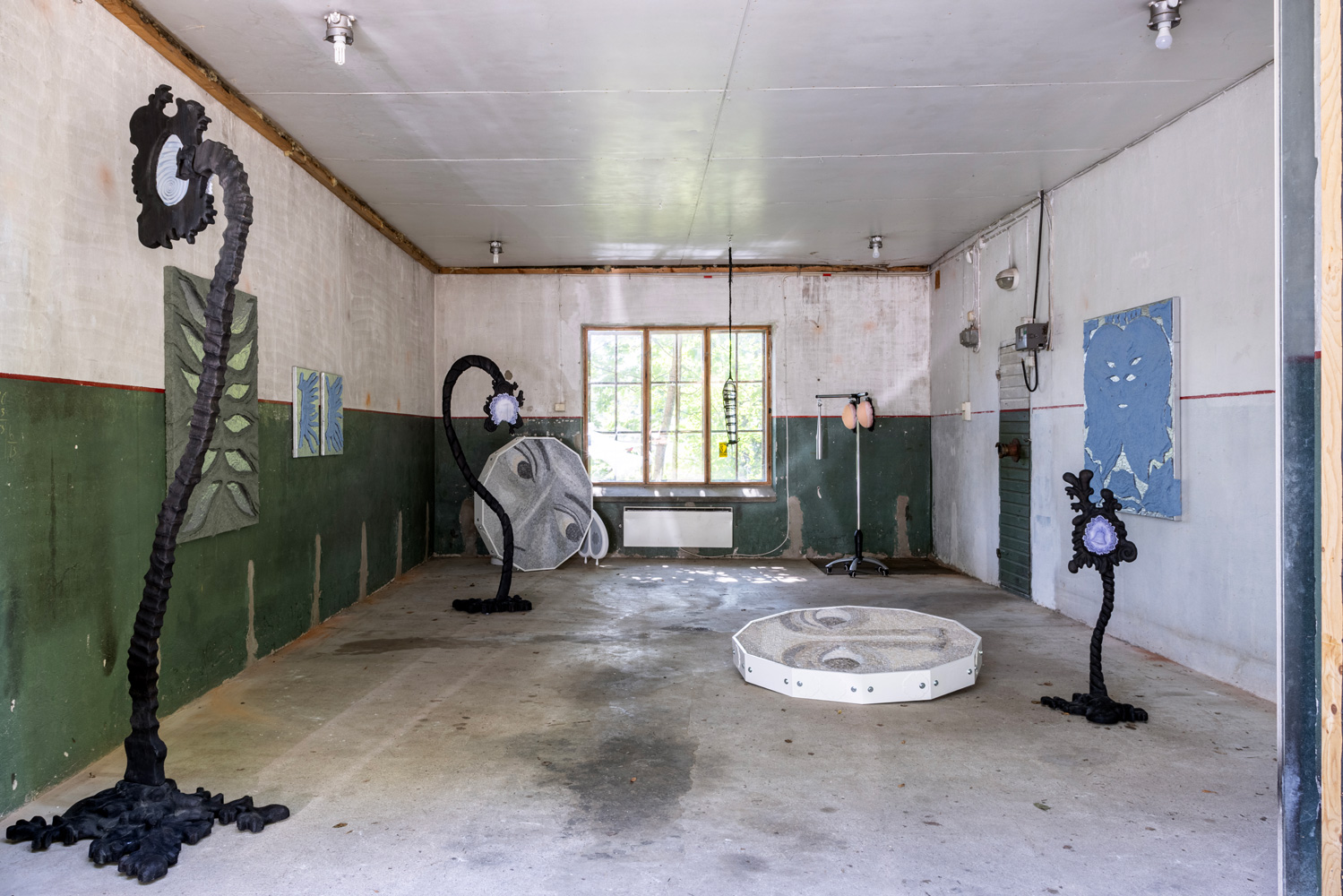
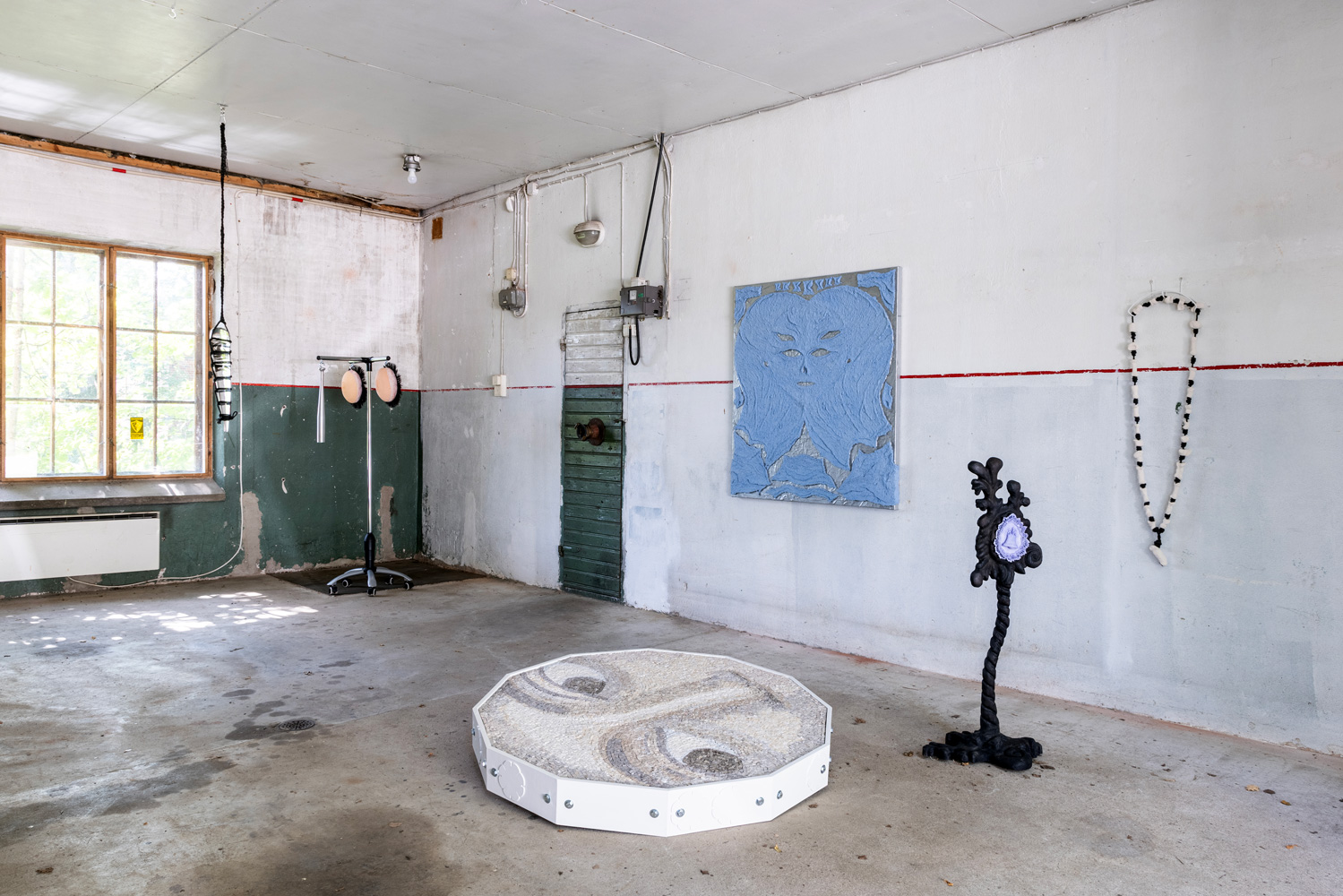
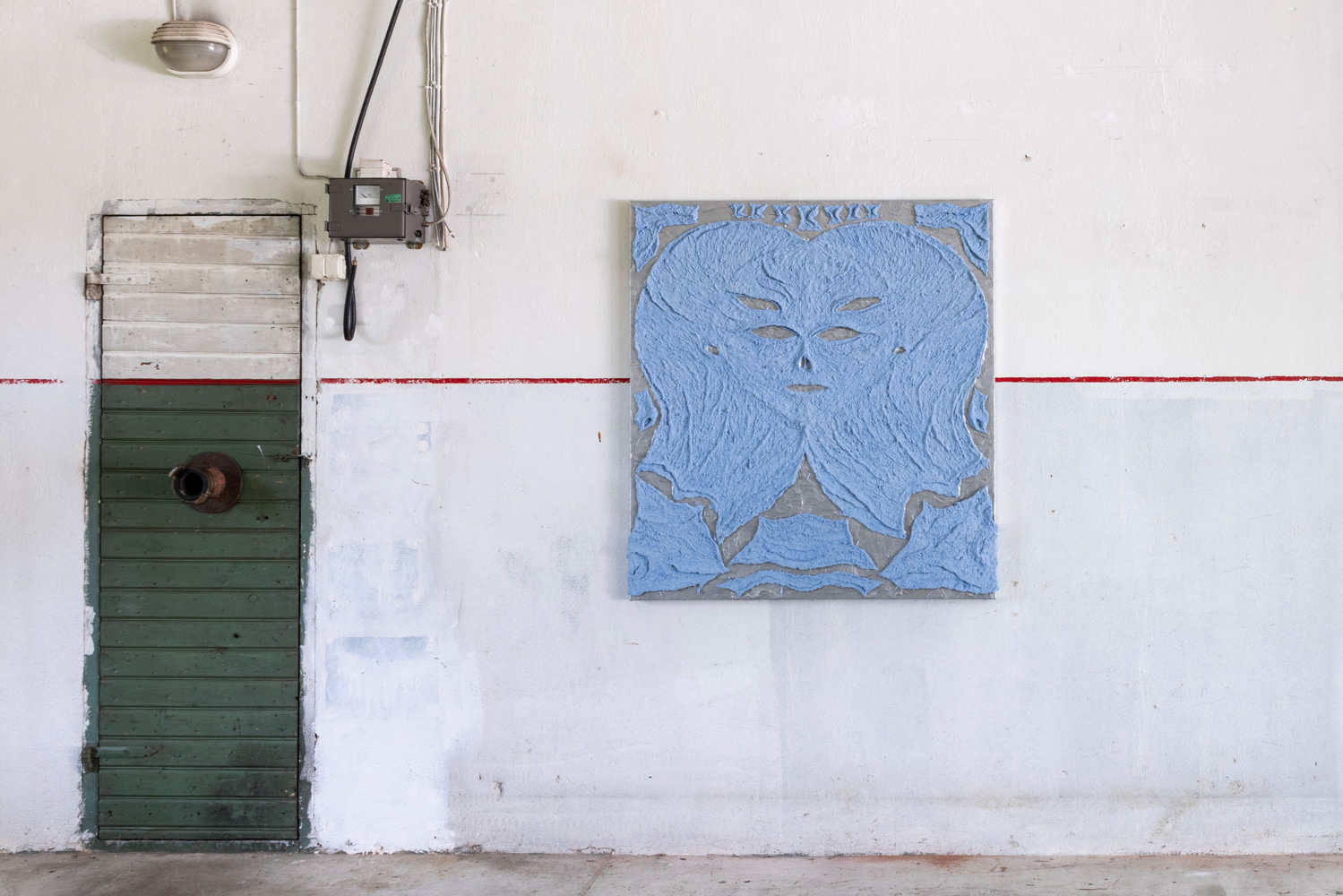
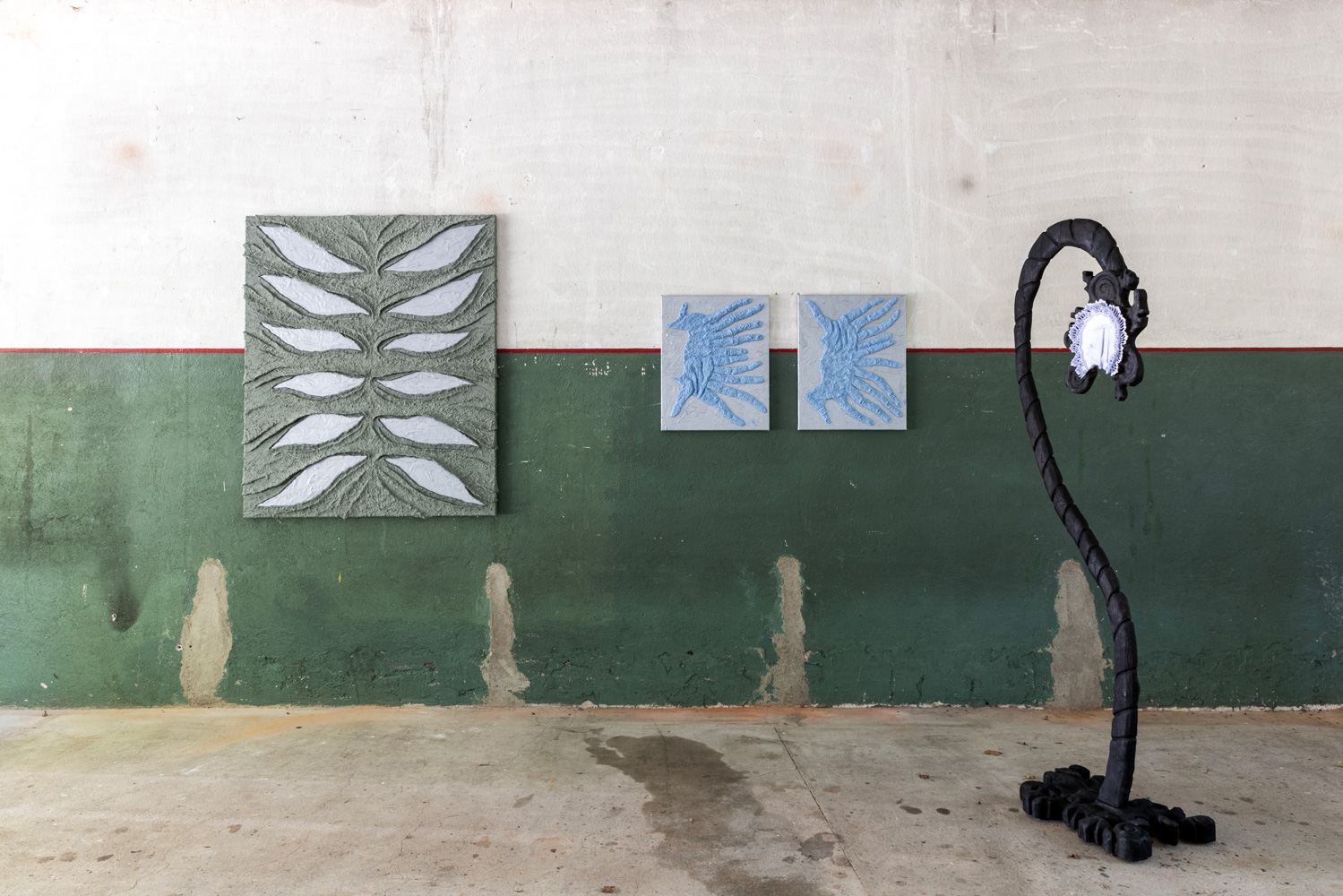
The summer 2025 exhibition at Gallery Bässen brings together a group of artists who explore material, texture and form, balancing structure and fluidity, rawness and precision. Through surprising and at times uncanny approaches to familiar elements, the works create a powerful dialogue between the organic and the constructed, lightness and weight, presence and absence.
Each of the four artists – Riikka Anttonen, Taru Happonen, Ida Koitila and Eetu Sihvonen – brings a distinct approach to materiality, yet in the roughness of the space, the elements in each work begin to move through and toward each other. What feels heavy begins to float; the immaterial takes shape. The line between real and imagined, fantasy and history, begins to blur, opening up new ways to explore and inhabit space.
The exhibition engages with and against the gallery space and the surrounding nature that’s constantly trying to creep in through the windows and cracks in the ceiling. It reflects on our human impulse to control nature, confine the flowing, contain the ephemeral, through a lens that is playful, but tinged with melancholy.
Curators: Inna Schwanck and Polina Joffe
Exhibition artists: Taru Happonen, Riikka Anttonen, Ida Koitila, and Eetu Sihvonen.
Installation photos: Ahmed Alalousi
Artwork photos: Angel Gil
Text: Inna Schwanck and Polina Joffe
The summer 2025 exhibition at Gallery Bässen brings together a group of artists who explore material, texture and form, balancing structure and fluidity, rawness and precision. Through surprising and at times uncanny approaches to familiar elements, the works create a powerful dialogue between the organic and the constructed, lightness and weight, presence and absence.
Each of the four artists – Riikka Anttonen, Taru Happonen, Ida Koitila and Eetu Sihvonen – brings a distinct approach to materiality, yet in the roughness of the space, the elements in each work begin to move through and toward each other. What feels heavy begins to float; the immaterial takes shape. The line between real and imagined, fantasy and history, begins to blur, opening up new ways to explore and inhabit space.
The exhibition engages with and against the gallery space and the surrounding nature that’s constantly trying to creep in through the windows and cracks in the ceiling. It reflects on our human impulse to control nature, confine the flowing, contain the ephemeral, through a lens that is playful, but tinged with melancholy.
Curators: Inna Schwanck and Polina Joffe
Exhibition artists: Taru Happonen, Riikka Anttonen, Ida Koitila, and Eetu Sihvonen.
Installation photos: Ahmed Alalousi
Artwork photos: Angel Gil
Text: Inna Schwanck and Polina Joffe